
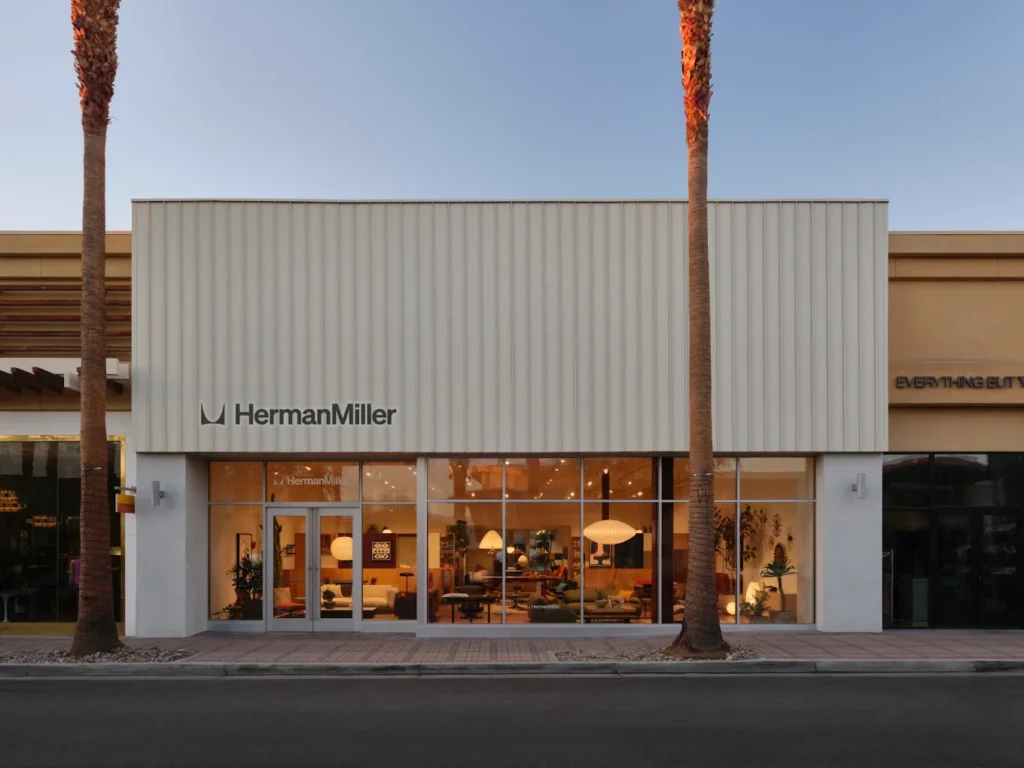
For the opening of Herman Miller Palm Desert, Los Angeles-based photographer Tag Christof spent nine days crossing the Coachella Valley in the height of summer, looking at what happens to modernist architecture once time, climate and everyday life become part of the picture.
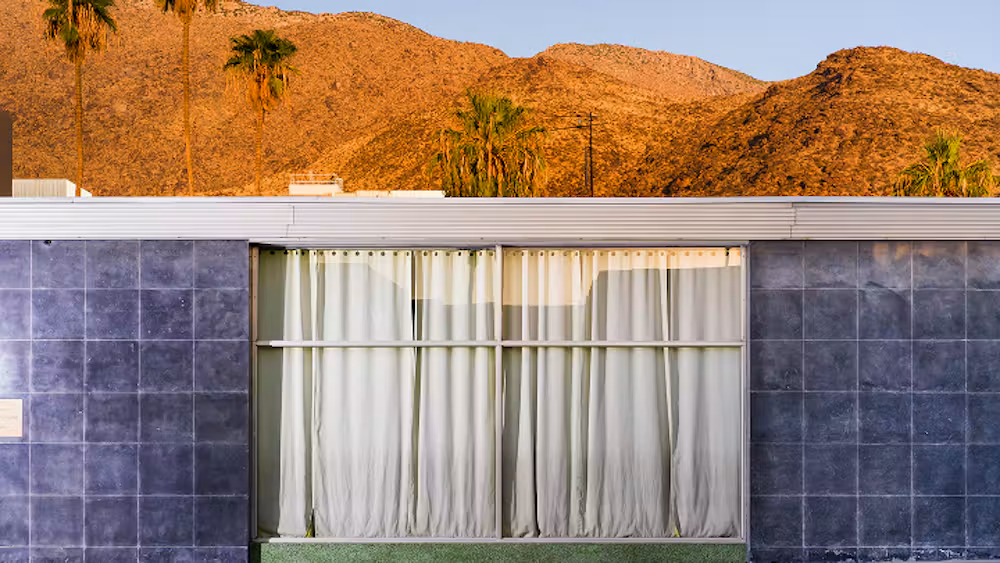
Palm Springs has spent decades perfecting its image. The architecture appears against cloudless skies and mountain ranges, swimming pools meet low rooflines, and the desert light has become almost inseparable from the buildings that made the region a destination for modernism.
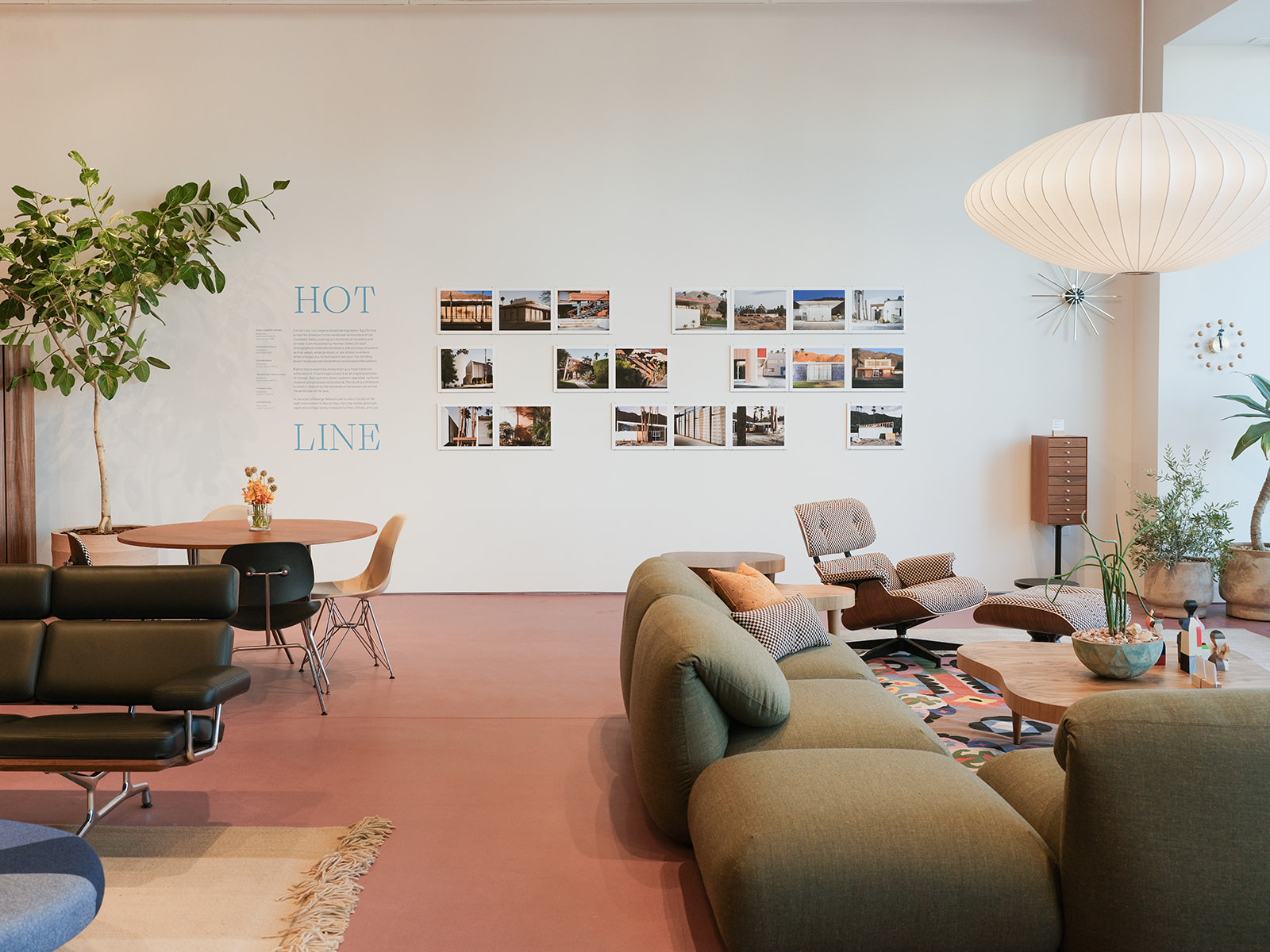
The photographs in Hot Line, a new exhibition commissioned by Herman Miller, begin somewhere further along in that story.
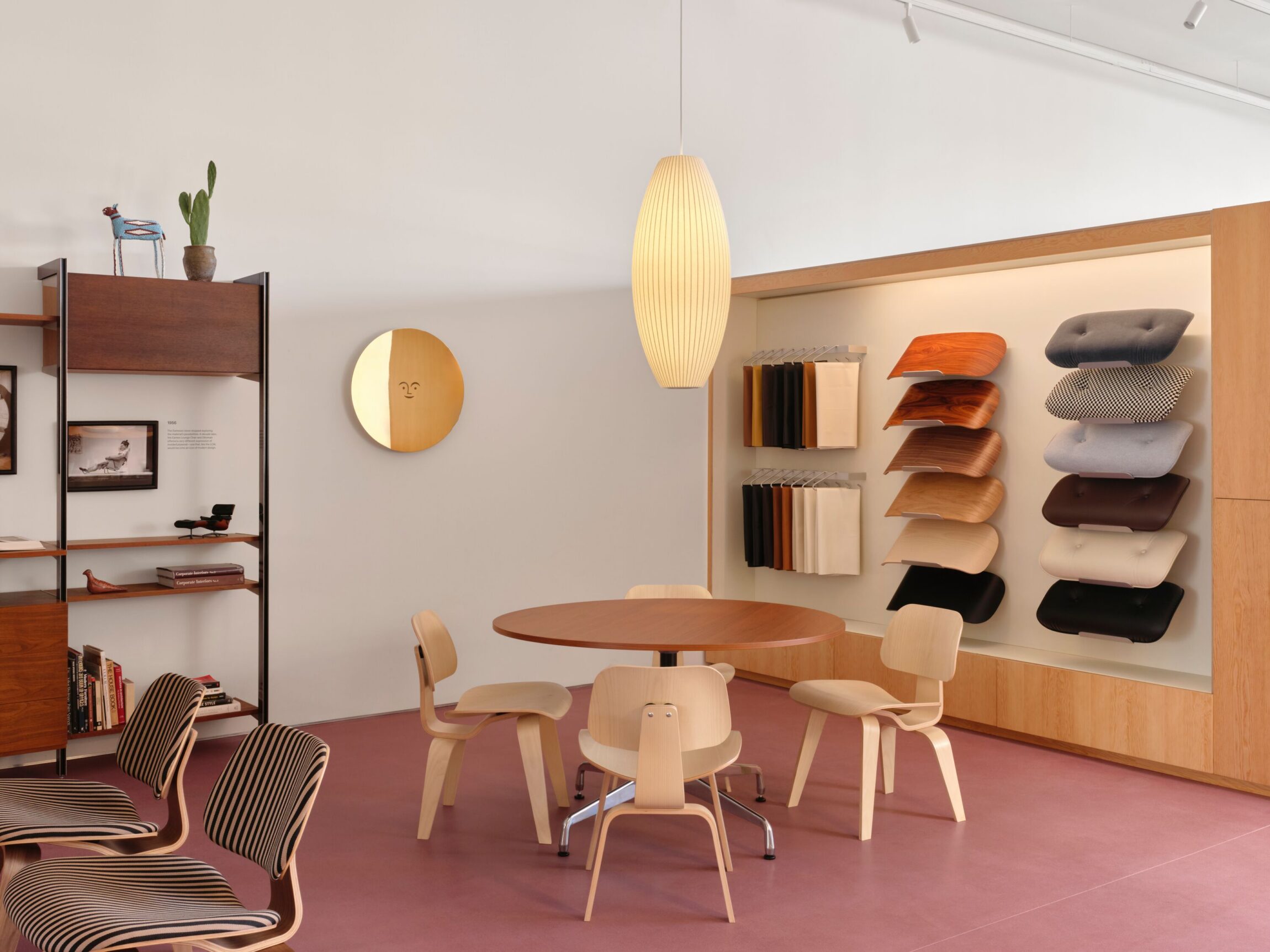
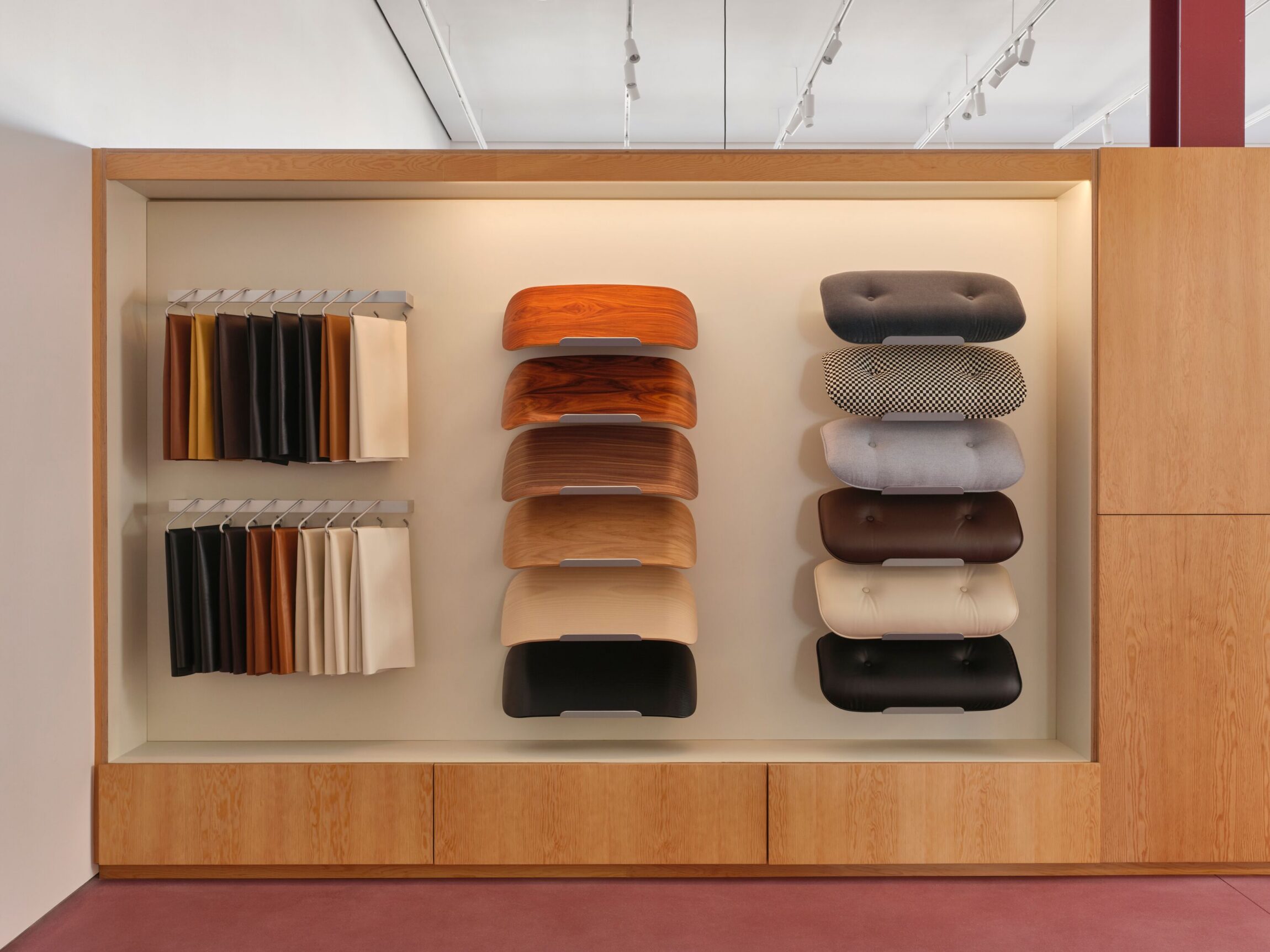
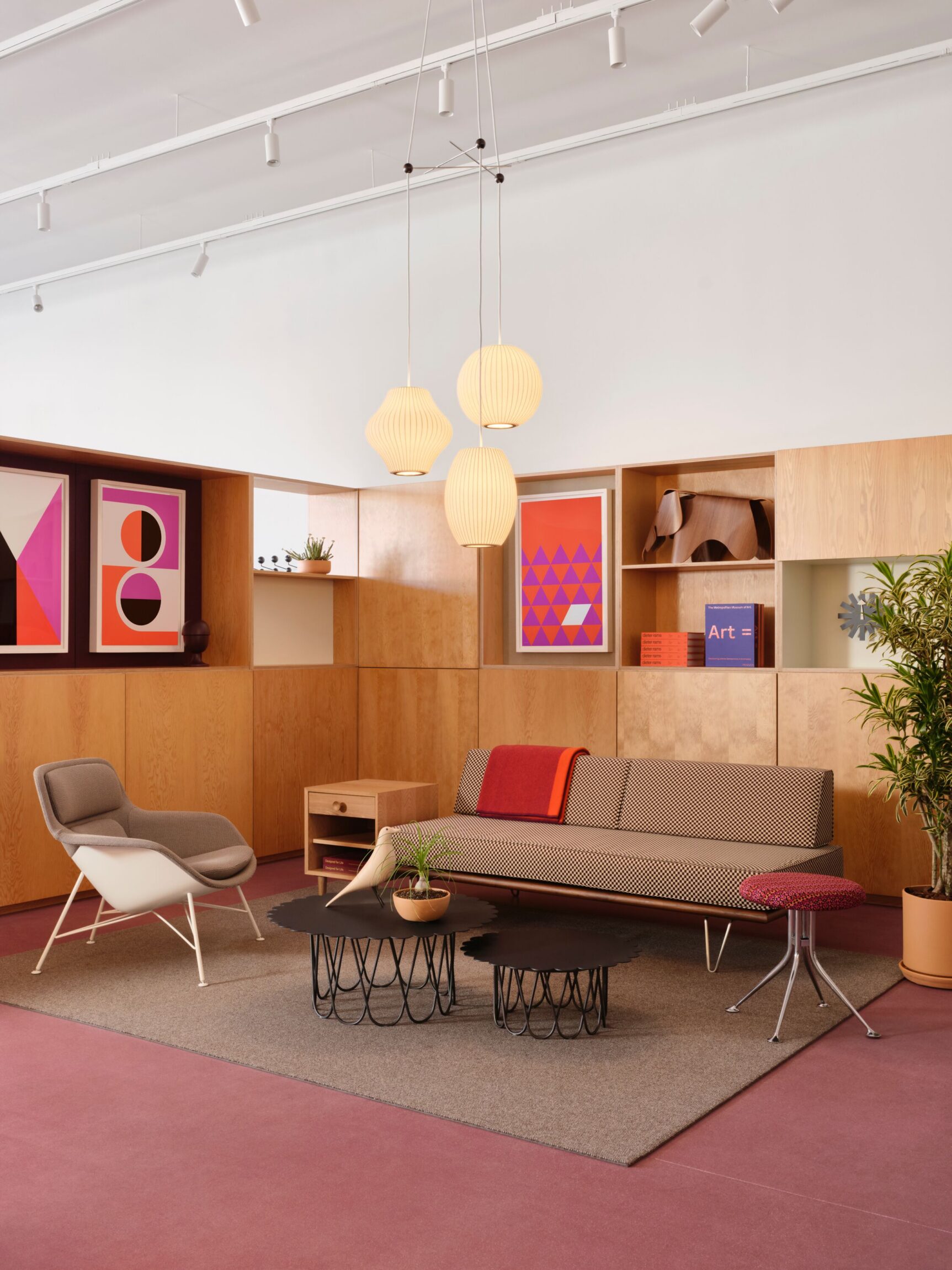
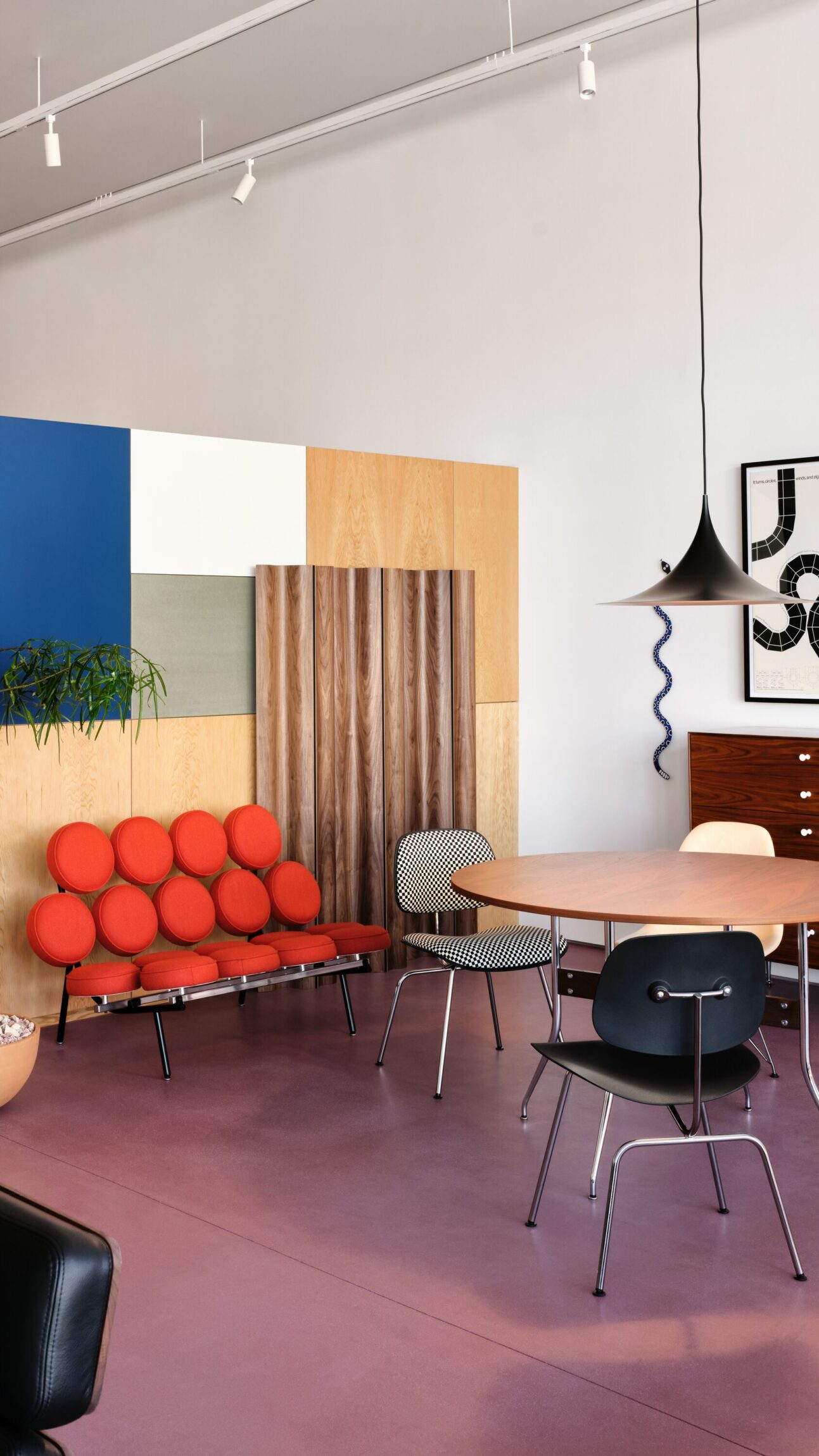
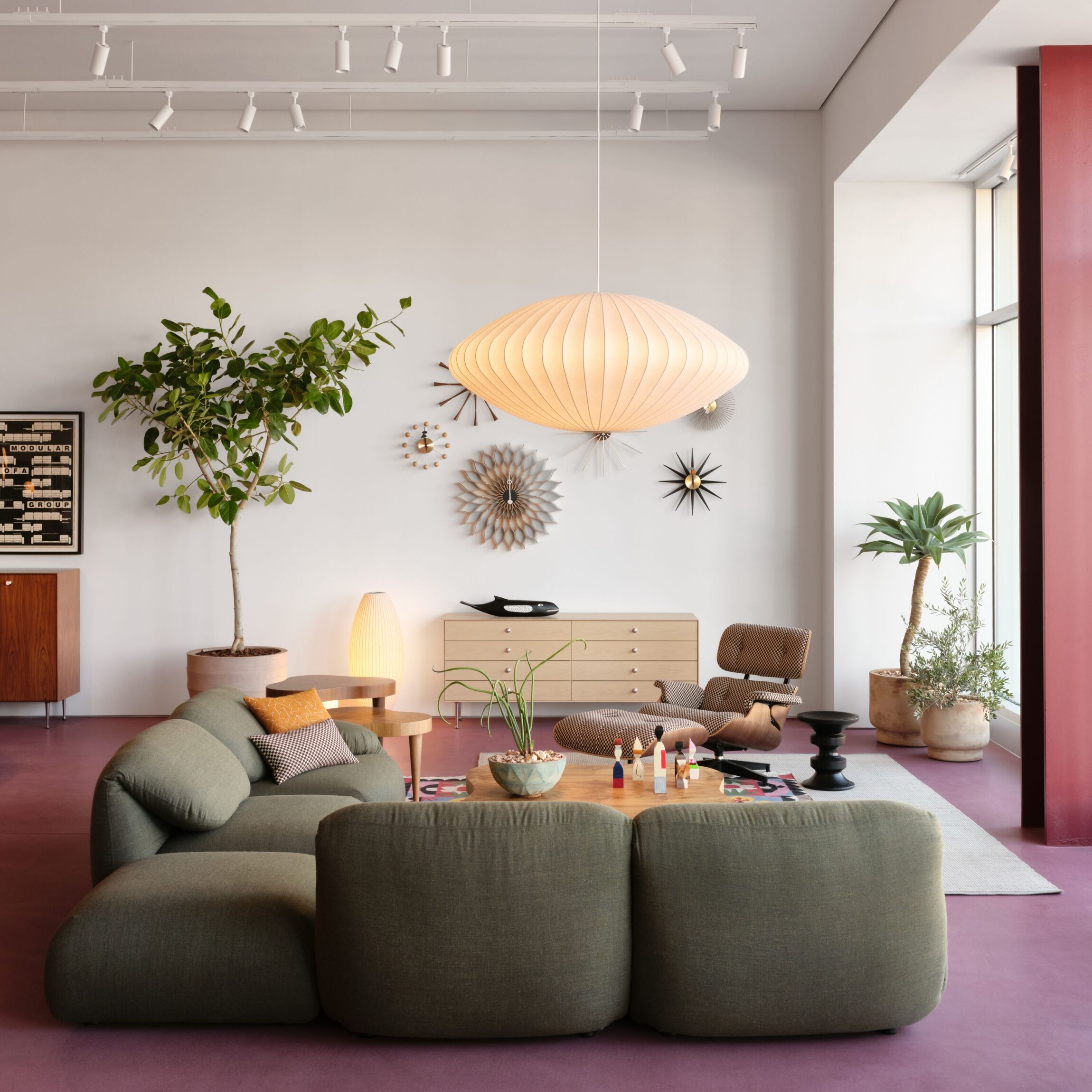
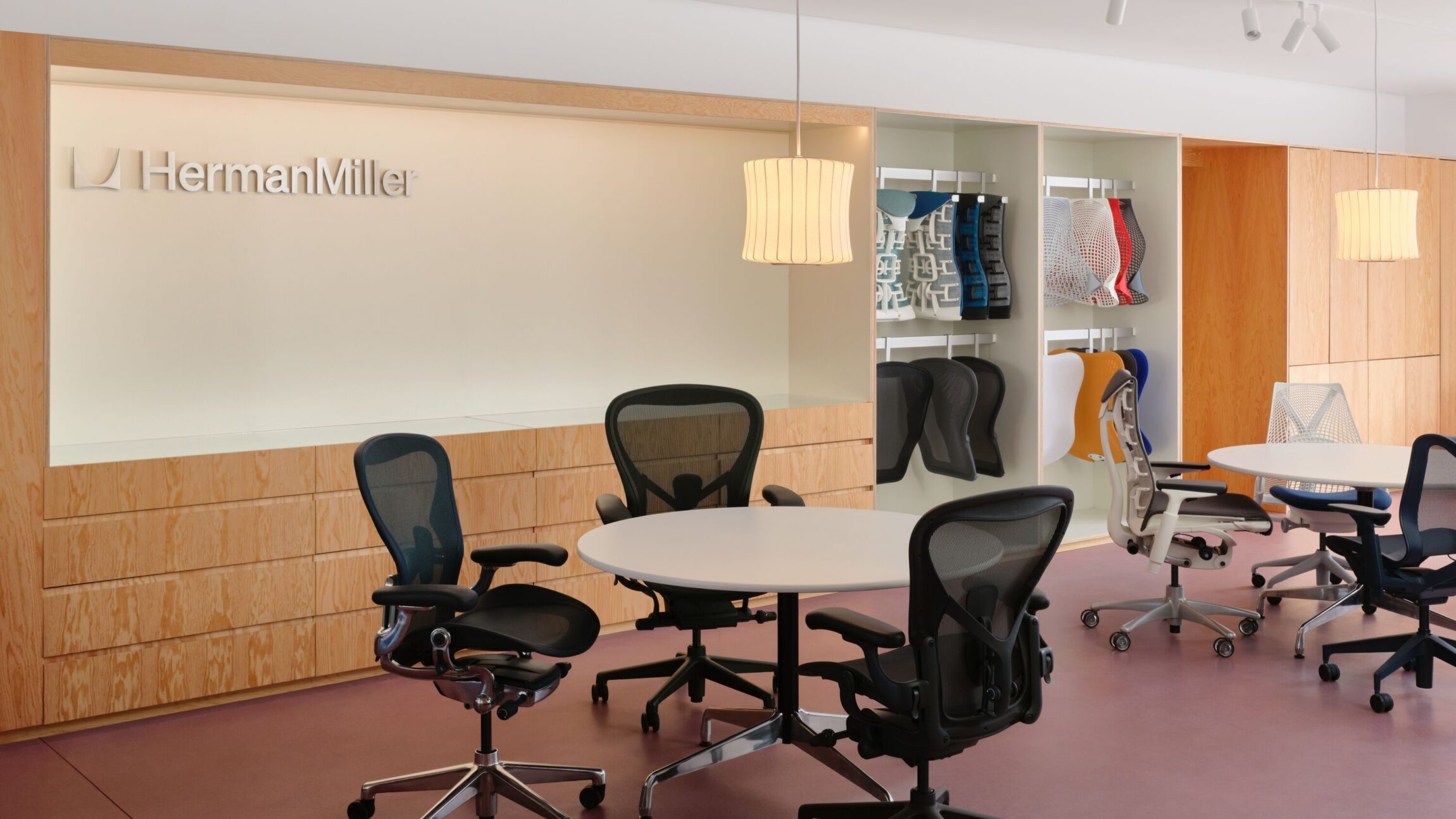
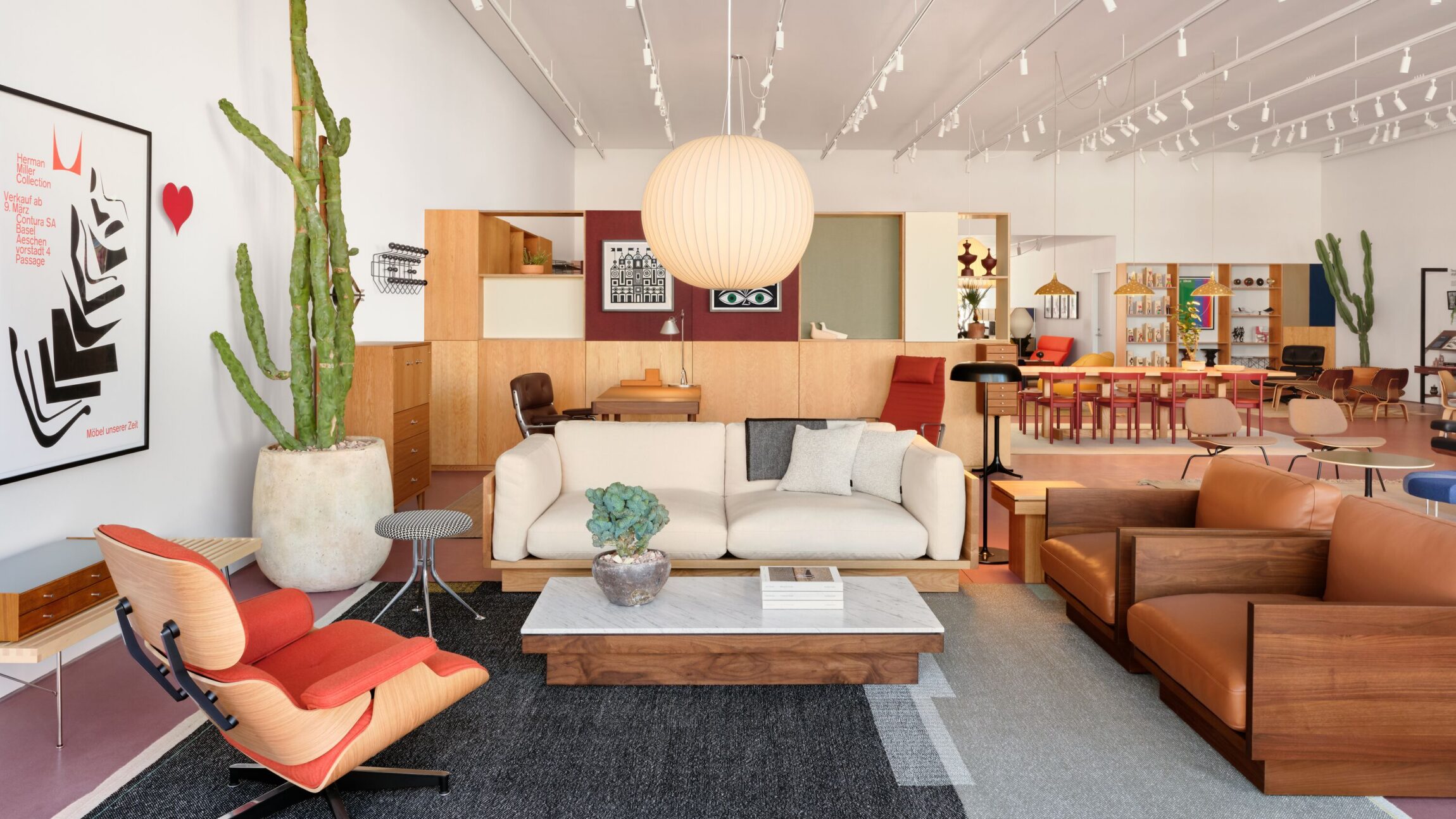
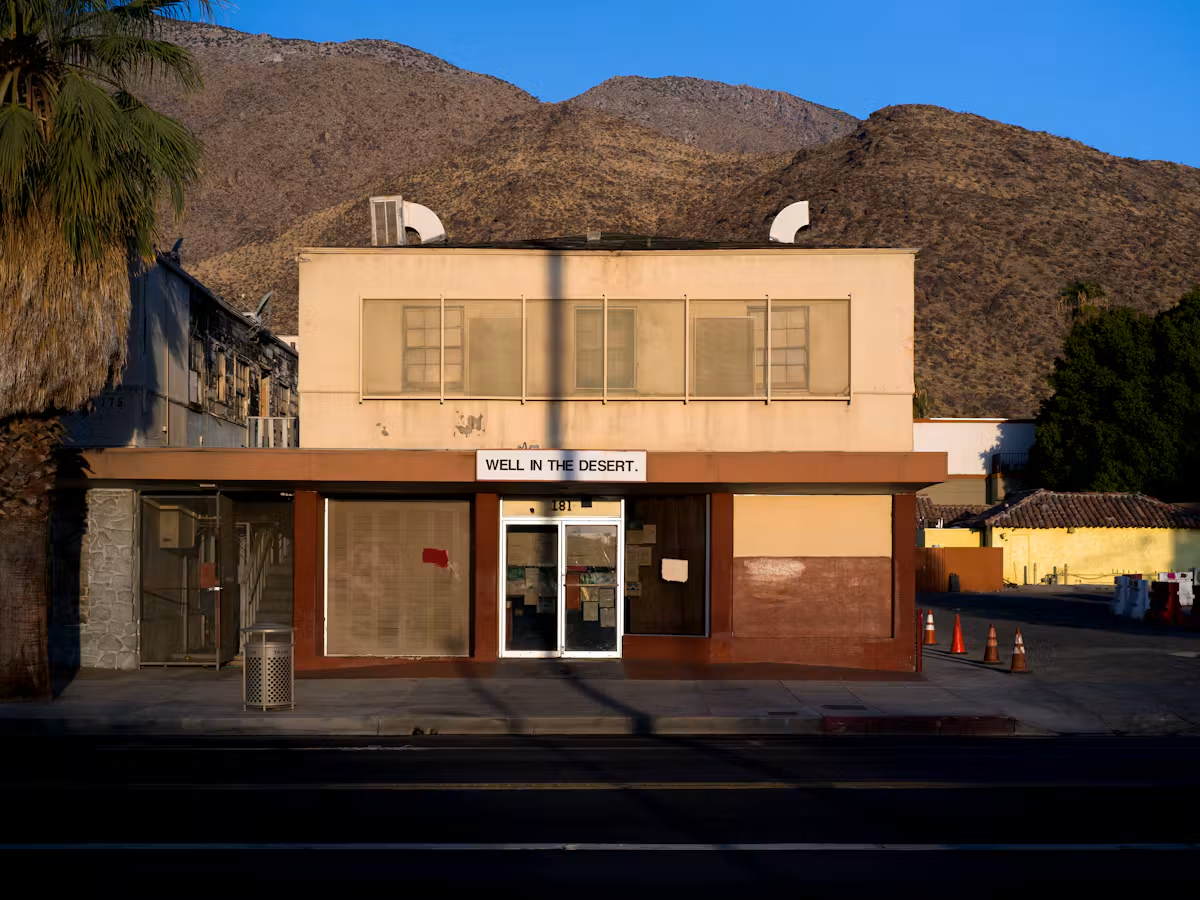
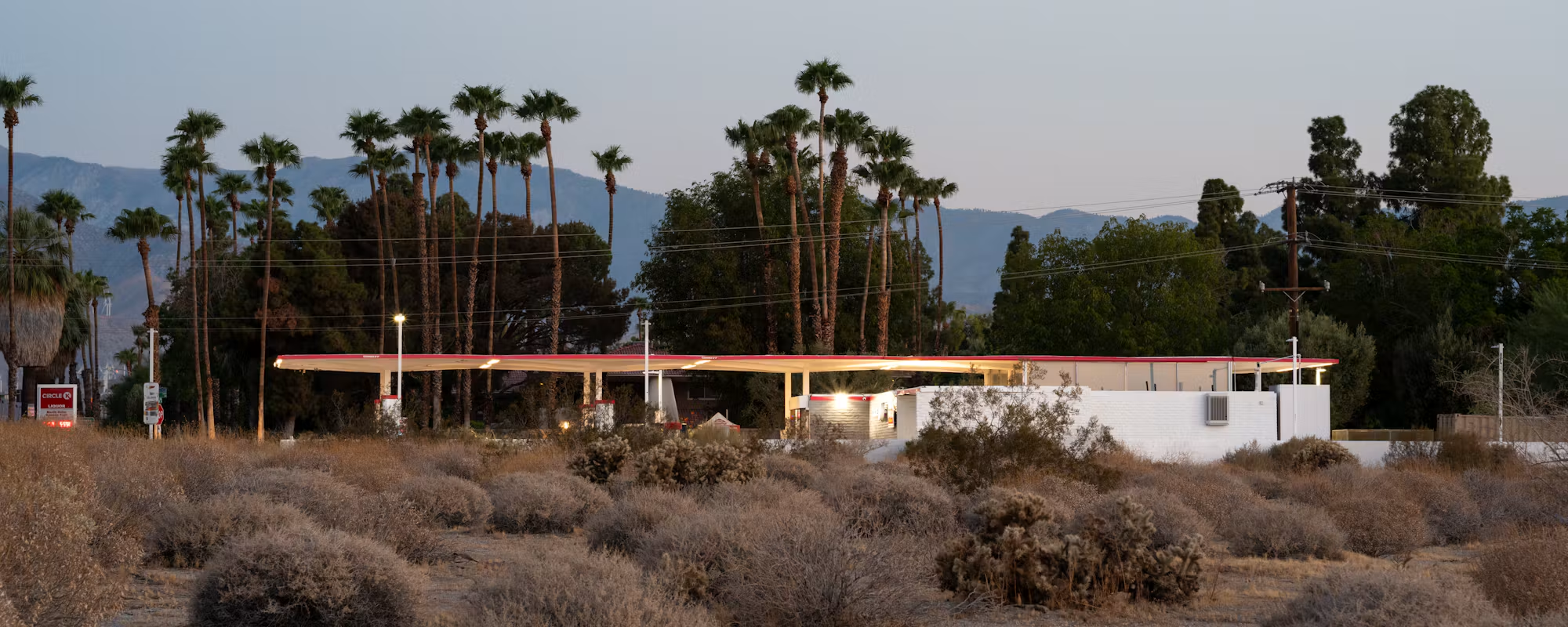
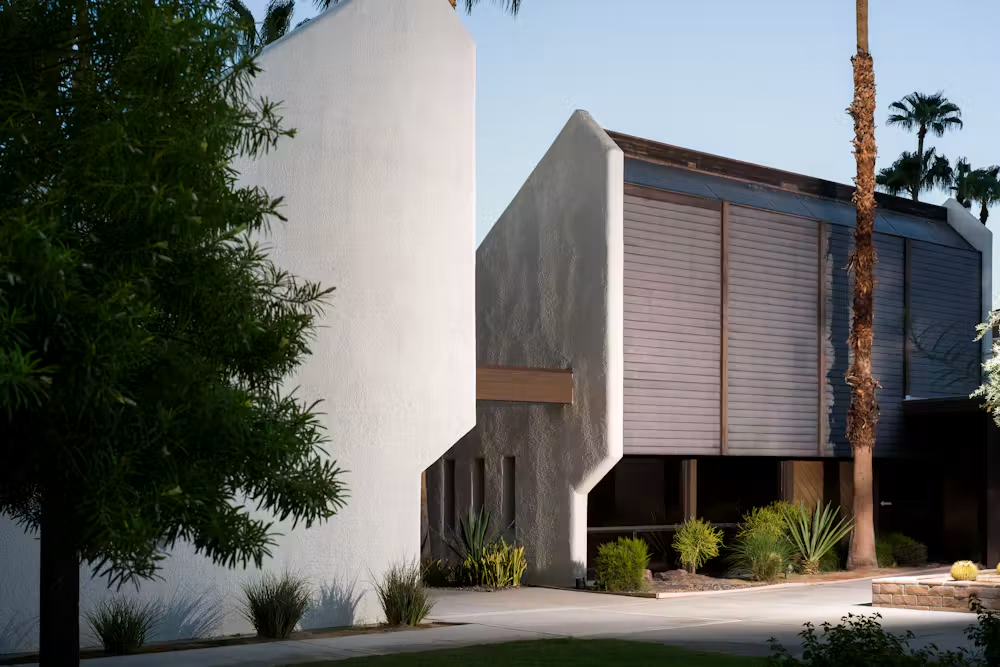
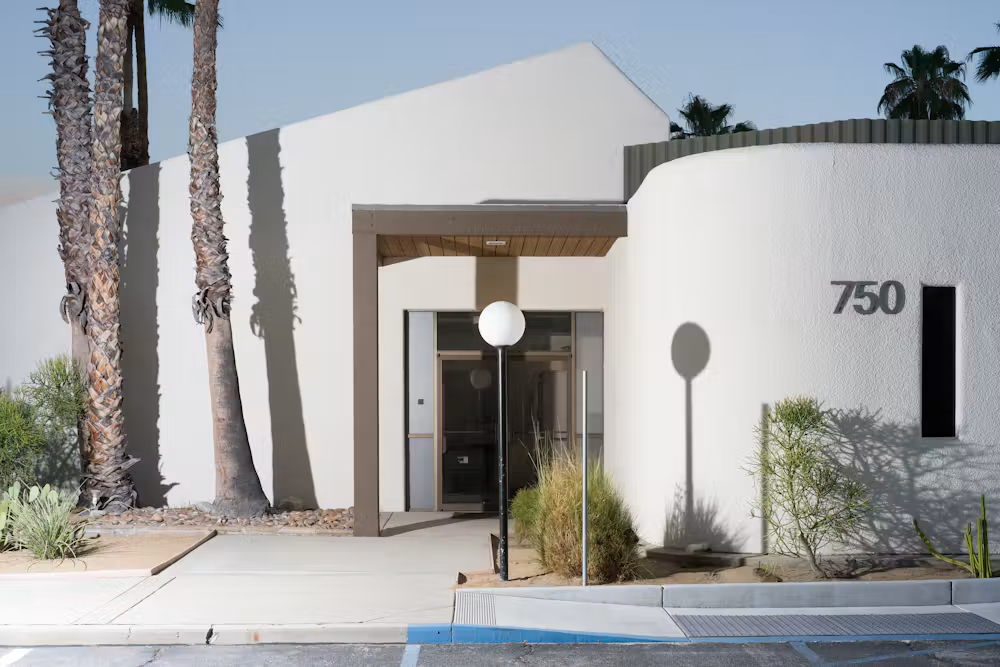
Created for the opening of Herman Miller Palm Desert, the brand’s largest retail location in North America, the series follows photographer Tag Christof through modernist buildings across Palm Springs and the Coachella Valley as they move through restoration, reuse and other moments of transition. Rather than separating the architecture from the years that have passed since it was built, Christof allows those years to remain visible, tracing the ways buildings absorb new uses, shifting surroundings and the ongoing demands of life in the desert.
Nine Days in the Desert
Christof photographed the series during nine of the hottest days of summer, moving between construction sites, parking lots and roadside vantage points in search of buildings that could reveal something about the region beyond the familiar postcard.
His subjects include Kaptur Plaza, Town & Country Center and the Tramway Shell, alongside other examples of the commercial and civic modernism that gave the Coachella Valley much of its architectural character. The photographs are attentive to form, but they are equally interested in what surrounds it: fencing, construction, asphalt, vegetation, mountains and the evidence of changing use.
The desert itself becomes part of the architecture. Christof points to buildings that mediate the extreme climate through shaded passages, protected interiors and carefully positioned glazing, while others use broad expanses of glass to pull the landscape visually inside. At the former J.W. Robinson building, he noticed how the rhythm of the street-facing windows and zig-zagging roofline seemed to echo the mountains beyond them.
These details make the buildings feel inseparable from where they were made. Their beauty comes partly from proportion and material, but also from the ways their architects responded to heat, light and an environment that demanded a particular kind of ingenuity.
Looking Beyond Preservation
Christof came to architectural photography through an indirect route. He studied economics before moving into industrial design at Parsons, later spending time in Milan and eventually finding his way into photography. Over the years, long drives across the United States became an important part of his practice, particularly as he began documenting abandoned shopping centers, overlooked commercial buildings and places whose original purpose had begun to disappear.
That background gives Hot Line much of its perspective.
The exhibition approaches preservation as an active condition rather than a finished state. The buildings Christof photographs have remained in the world long enough to encounter new owners, changing programs, maintenance, restoration and the physical effects of the desert itself. What survives is therefore more complicated than the original architectural image, and often more revealing.
Herman Miller’s Global Creative Directors Kim Colin and Sam Hecht commissioned the work around this idea of change, describing Christof’s photographs as a way of looking at the possibilities that emerge when design continues to adapt. The exhibition situates the region’s modernist legacy within an ongoing process, where preservation and reinvention can exist alongside one another.
There is a natural parallel with furniture here. The most enduring objects rarely remain untouched by the people who live with them. Surfaces soften, materials acquire marks and an object becomes associated with the routines of a particular home or workplace. Its history becomes visible through use.
Christof understands that relationship personally.
Growing Up With Eames
In his conversation with Herman Miller, Christof recalls growing up with Eames furniture around the house, including molded fiberglass chairs that were treated as part of everyday life rather than precious design objects. One of those chairs has remained with him since childhood, its wear becoming part of its appeal.
That experience shaped the way he thinks about quality. An object could be climbed on, moved around and incorporated into childhood play while retaining something that made it feel distinct from the more disposable things around it. Years later, the scratches and signs of use became evidence of the chair’s durability rather than reasons to replace it.
It is easy to see why that sensibility finds its way into Hot Line. Christof is interested in buildings whose value has survived their original moment, even as their circumstances have changed around them.
Palm Springs is especially rich territory for that kind of looking. Its modernism grew from a period of extraordinary optimism about technology, leisure and the possibility of making a demanding landscape comfortable, and many of those buildings have now been in use long enough to reveal how those ambitions hold up across generations.
Modernism, Still in Use
The strongest photographs in Hot Line allow the distinction between architectural history and contemporary life to become less important. A building under restoration remains part of the city. A commercial structure can acquire a new purpose. Landscape grows around geometry that was once photographed against an emptier desert.
The architecture carries its original ideas forward while absorbing everything that has happened since.
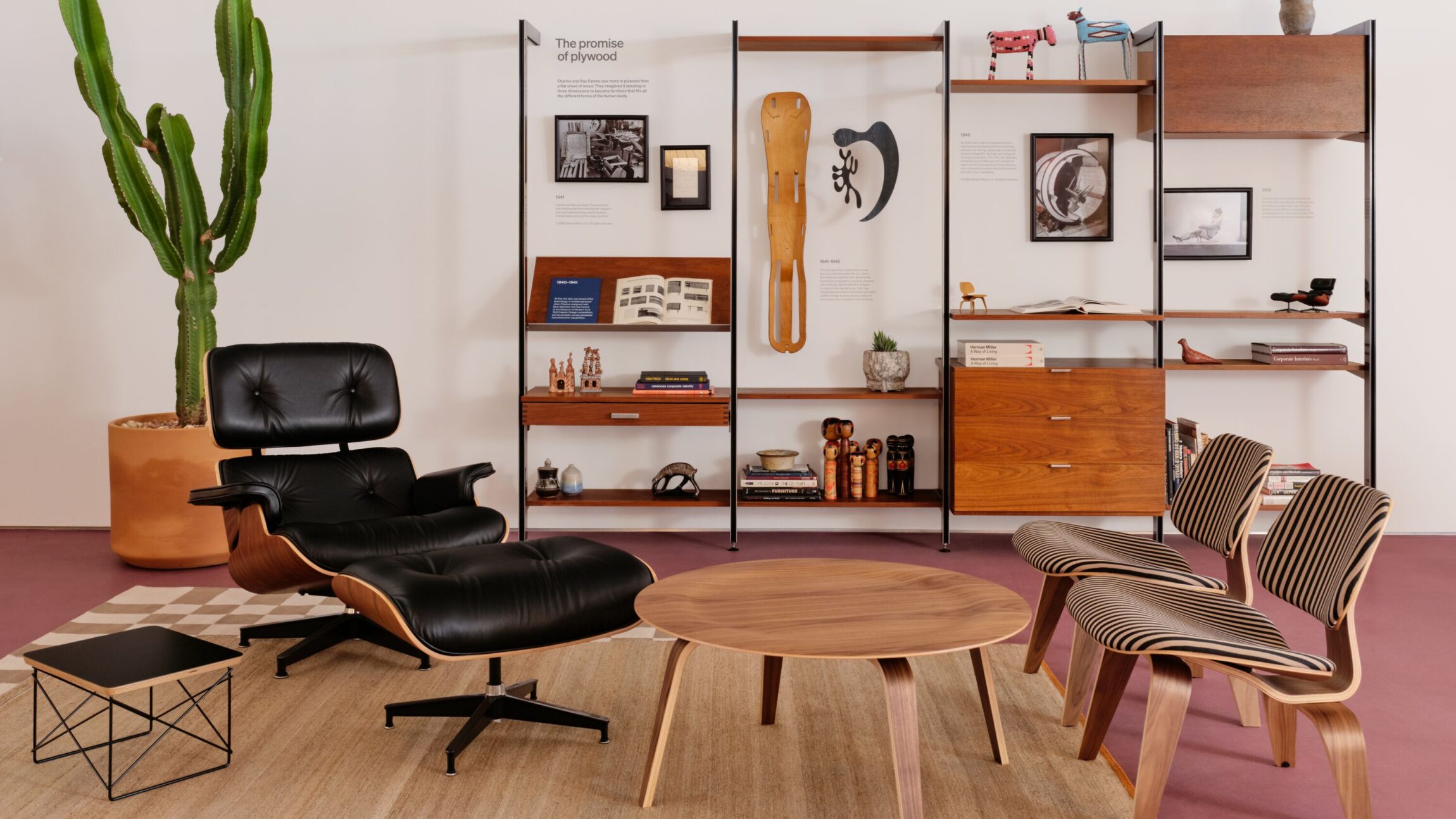
That makes Palm Desert an especially fitting setting for the exhibition. Herman Miller’s own history is filled with designs that have moved through different generations of homes and workplaces, from the work of Charles and Ray Eames and George Nelson to pieces that remain in production decades after their introduction.
Hot Line extends that conversation beyond furniture and into the built environment, asking us to look at modernism as something that continues to participate in everyday life.
Nearly a century after architects began experimenting with how modern life might take shape in the Southern California desert, those ideas are still being tested, adapted and passed on.
Hot Line is on view through February 20, 2027, at Herman Miller Palm Desert, The Gardens on El Paseo, 73-425 El Paseo, Suite 110, Palm Desert, California.

