Cini Boeri’s Brigadier Returns to Knoll
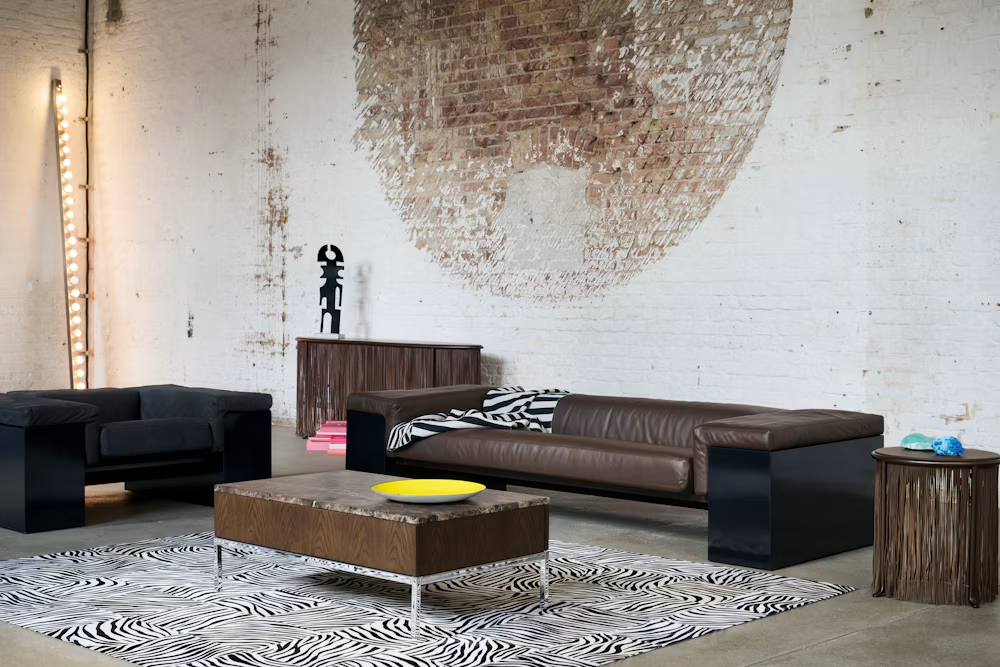
Nearly fifty years after its debut, Knoll has brought Cini Boeri’s Brigadier Collection back into production, returning to a design whose architectural presence feels remarkably at ease in contemporary interiors.
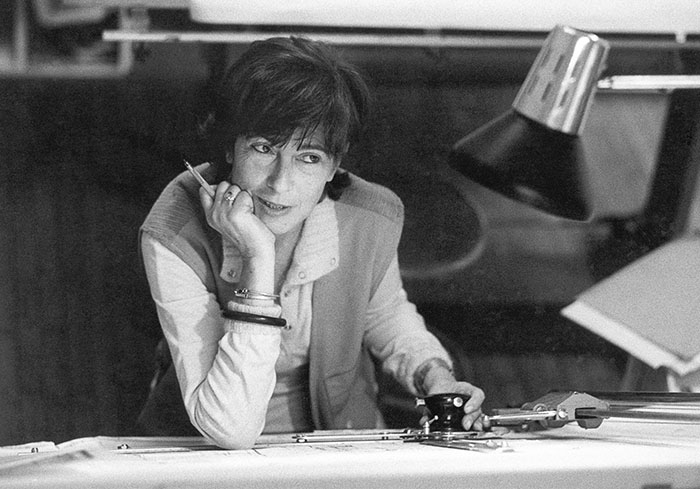
Cini Boeri’s relationship with Knoll developed during a particularly fertile period in Italian design, when the boundaries between architecture, furniture and interiors were increasingly fluid and designers were approaching the home as a place for experimentation. Trained as an architect at Politecnico di Milano, Boeri worked with Marco Zanuso before establishing her own studio, developing a practice that moved comfortably between buildings and objects while remaining closely focused on how people actually lived with them.
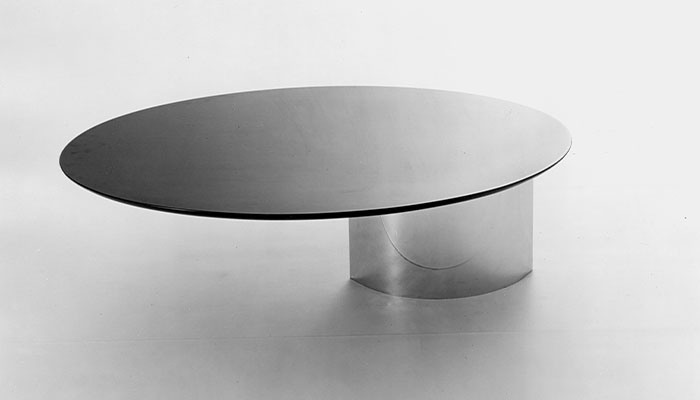
Her connection to Knoll grew out of the company’s acquisition of the Italian manufacturer Gavina in 1968, bringing Boeri’s Lunario table into the Knoll portfolio and beginning a collaboration that would continue throughout the following decade. Gradual Lounge followed in 1970 as her first piece designed specifically for Knoll, while her involvement with the company soon expanded beyond furniture into the environments in which it was presented.
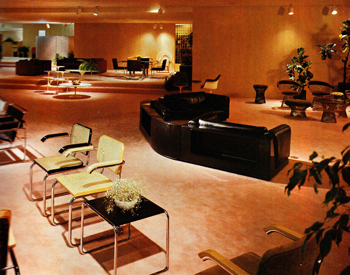
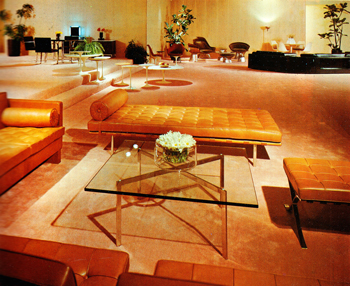
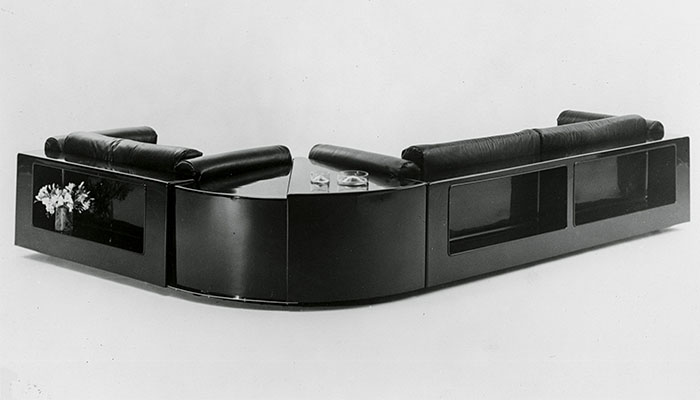
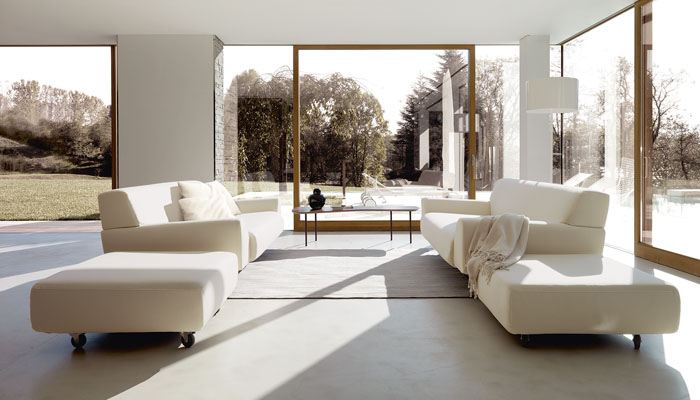
During the 1970s, Boeri designed Knoll showrooms across Europe and the United States, including the company’s Los Angeles showroom at the Pacific Design Center in 1976. The project offers an especially interesting glimpse into the way she absorbed a place before designing for it. Contemporary accounts describe an interior shaped by subtle changes in level and carefully composed furniture groupings, with a palette of rust, pink and bleached sand informed by her time in California. The architecture remained restrained, creating an environment in which furniture, color and material could carry the room.
Two years later, many of those same instincts appeared at a smaller scale in Brigadier.
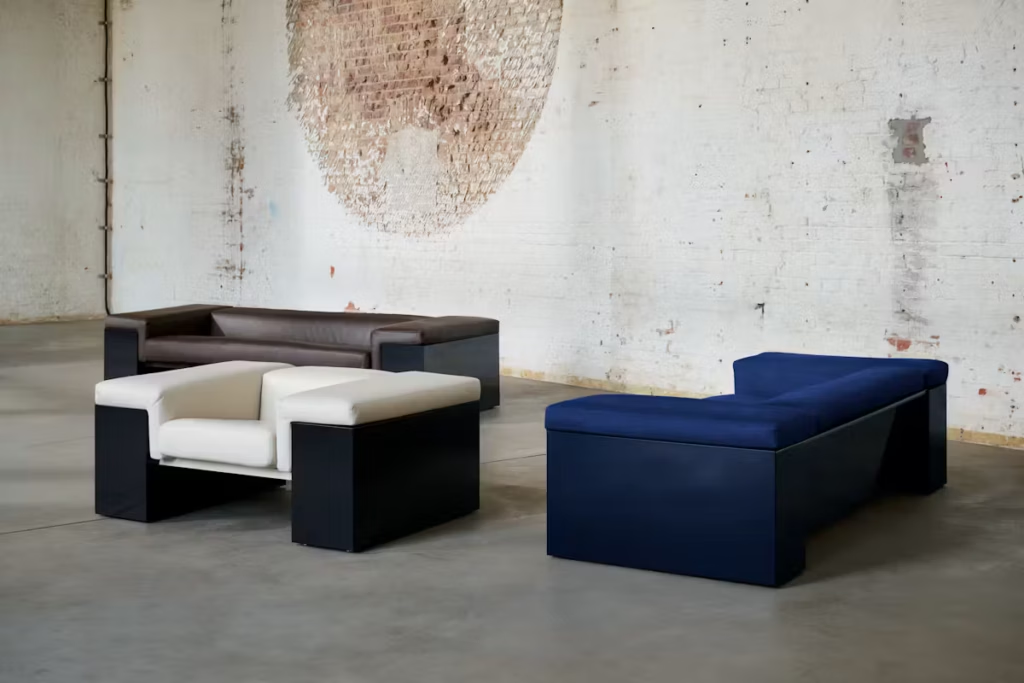
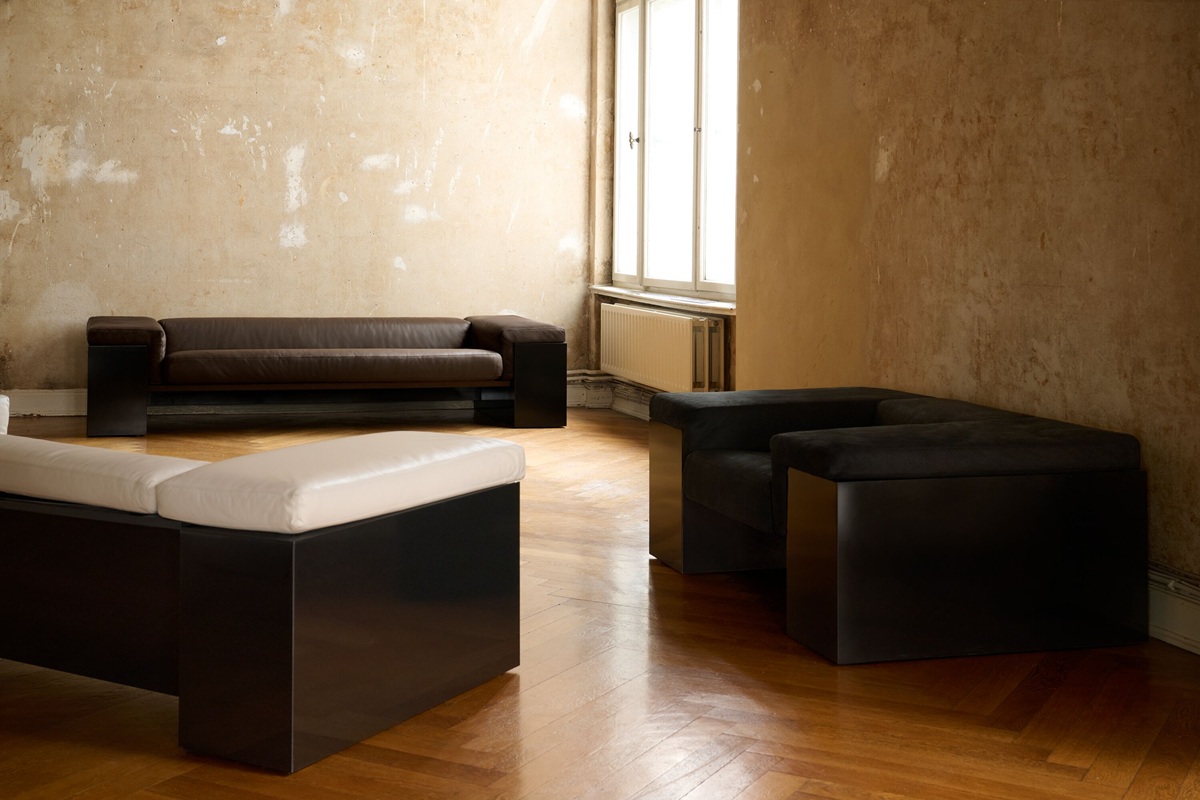
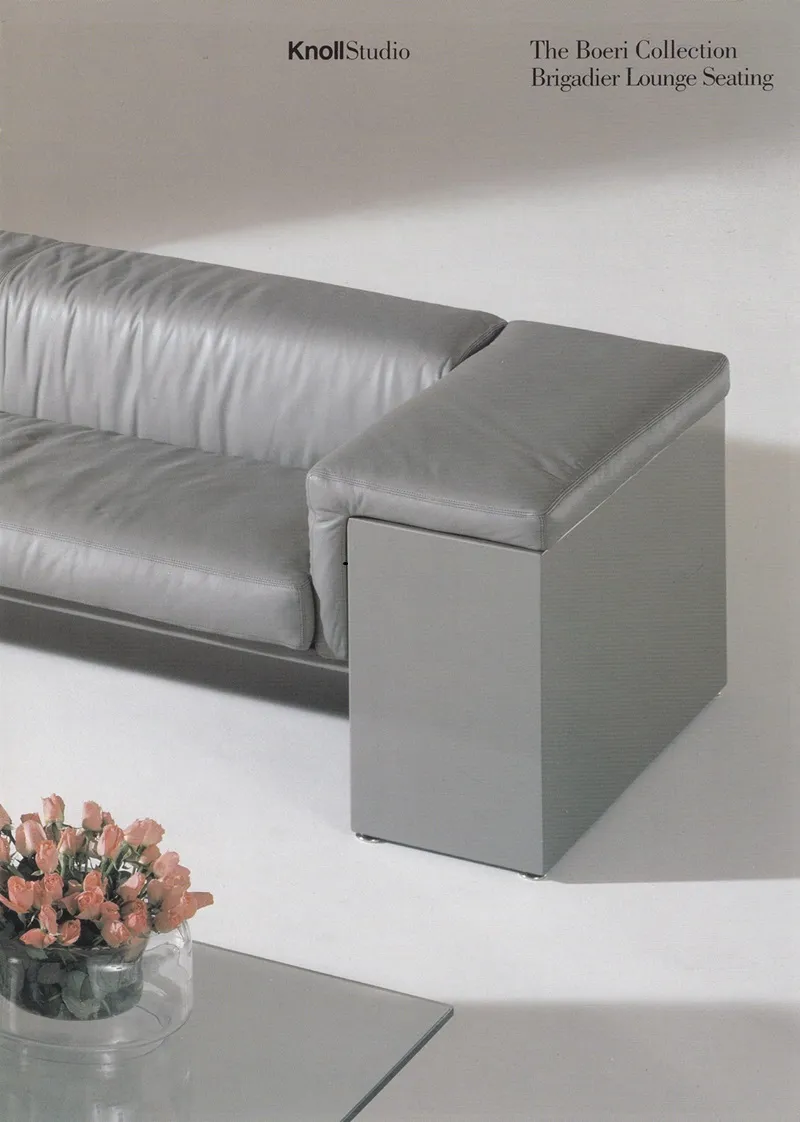
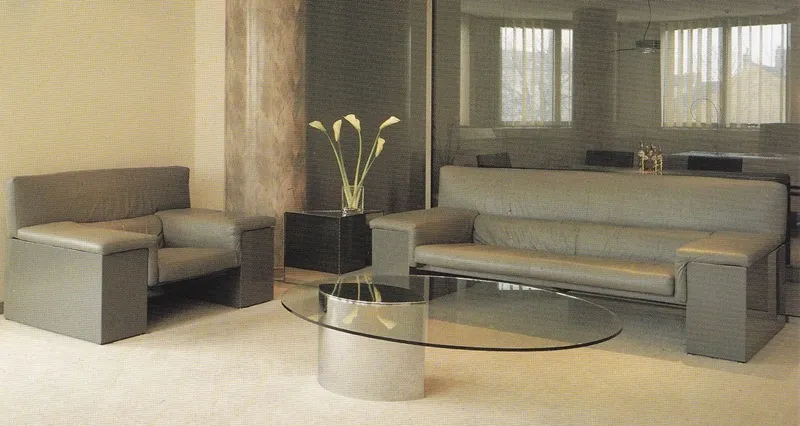
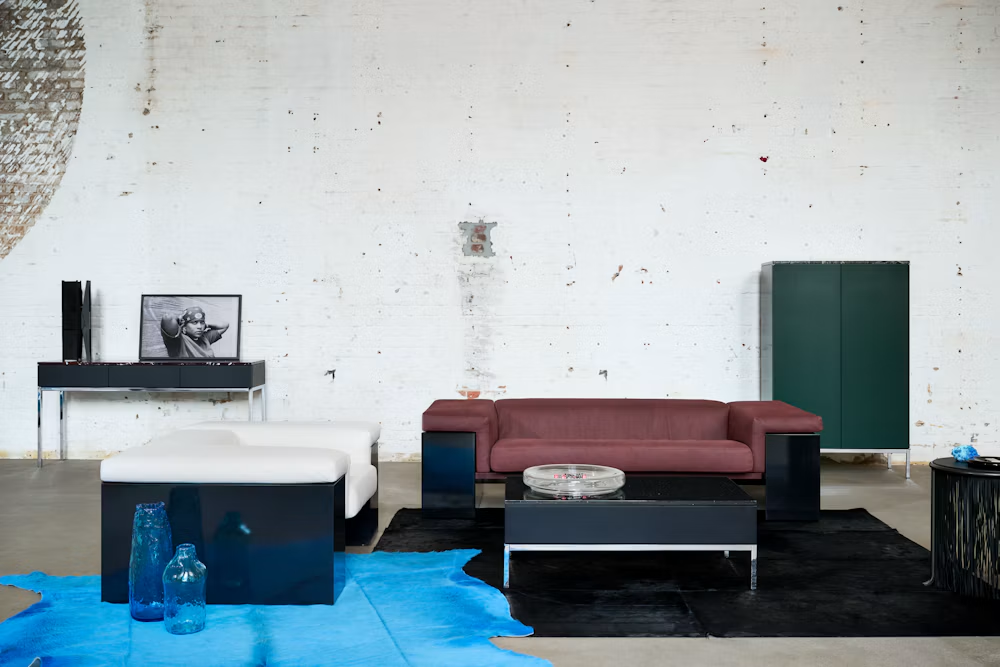
Introduced in 1978, the collection is built around the relationship between a rigid architectural exterior and the softness contained within it. Broad lacquered planes wrap around deep upholstered cushions, giving the sofa and lounge chair a presence that feels closer to a piece of interior architecture than conventional upholstered seating. Its low profile keeps sightlines open, while the glossy shell reflects the colors and materials around it, allowing the piece to shift subtly with its surroundings.
The contrast is central to Brigadier’s character. Boeri placed generous upholstery inside a precise rectilinear structure, allowing comfort and geometry to occupy the same object without one overwhelming the other. That balance gives the collection much of its contemporary relevance today, particularly as interiors have returned to lower silhouettes, substantial volumes and furniture with a stronger architectural identity.
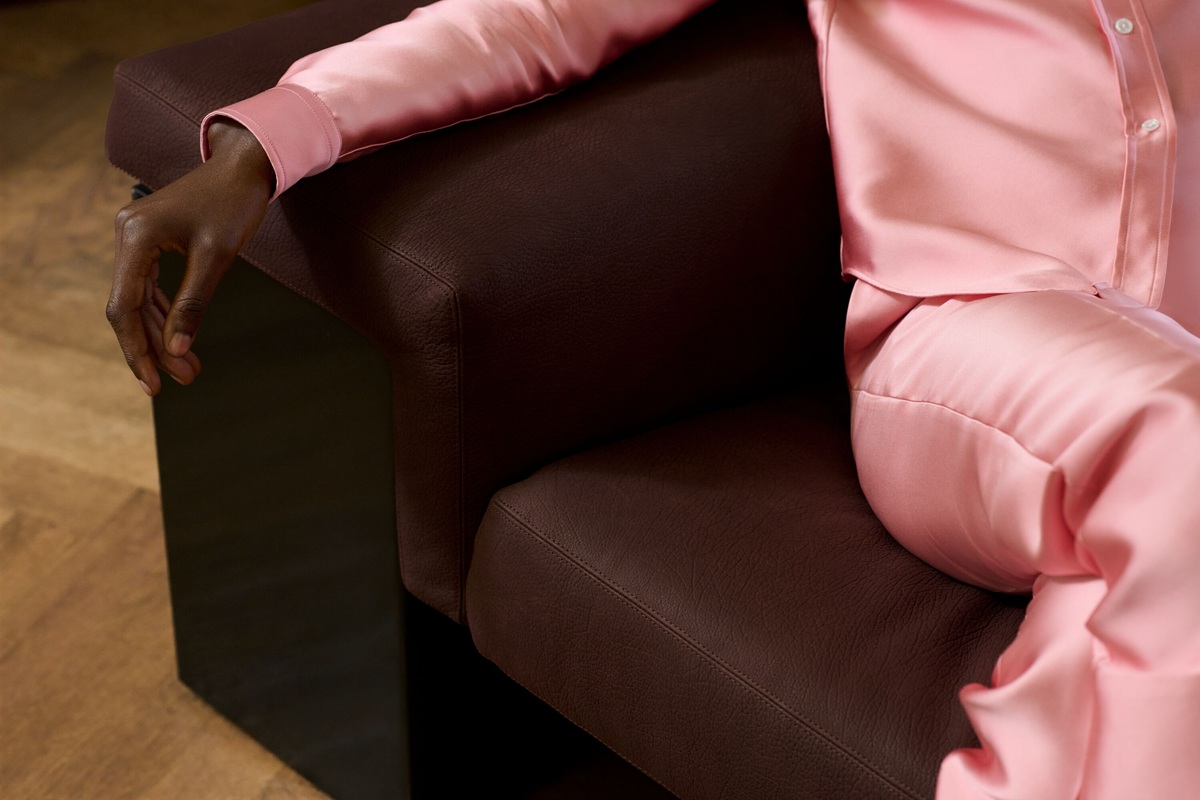
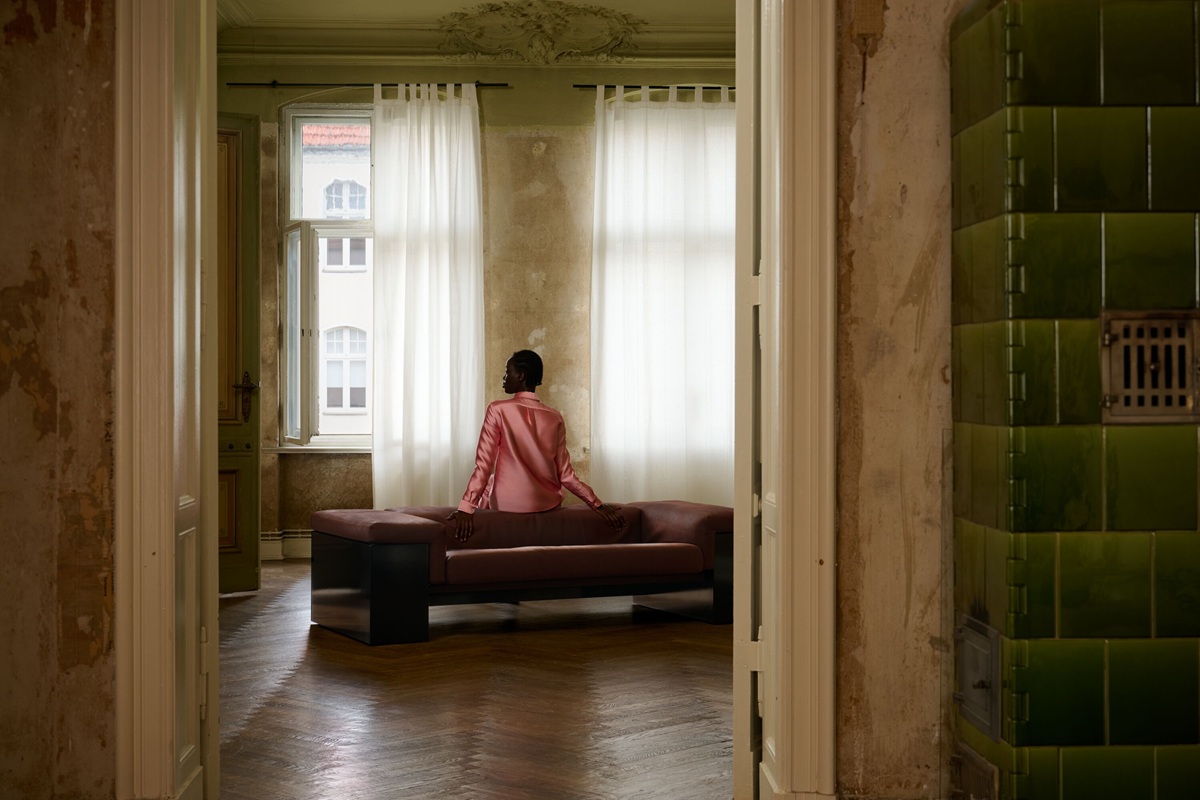
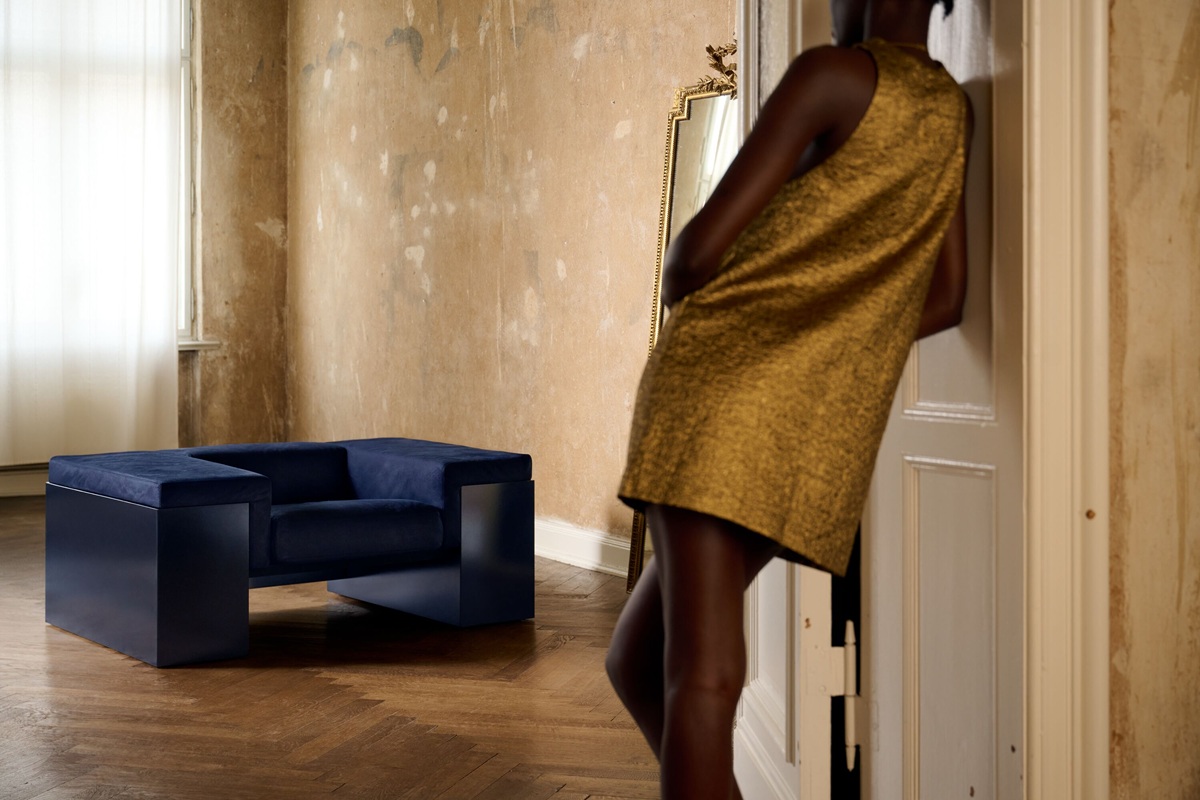
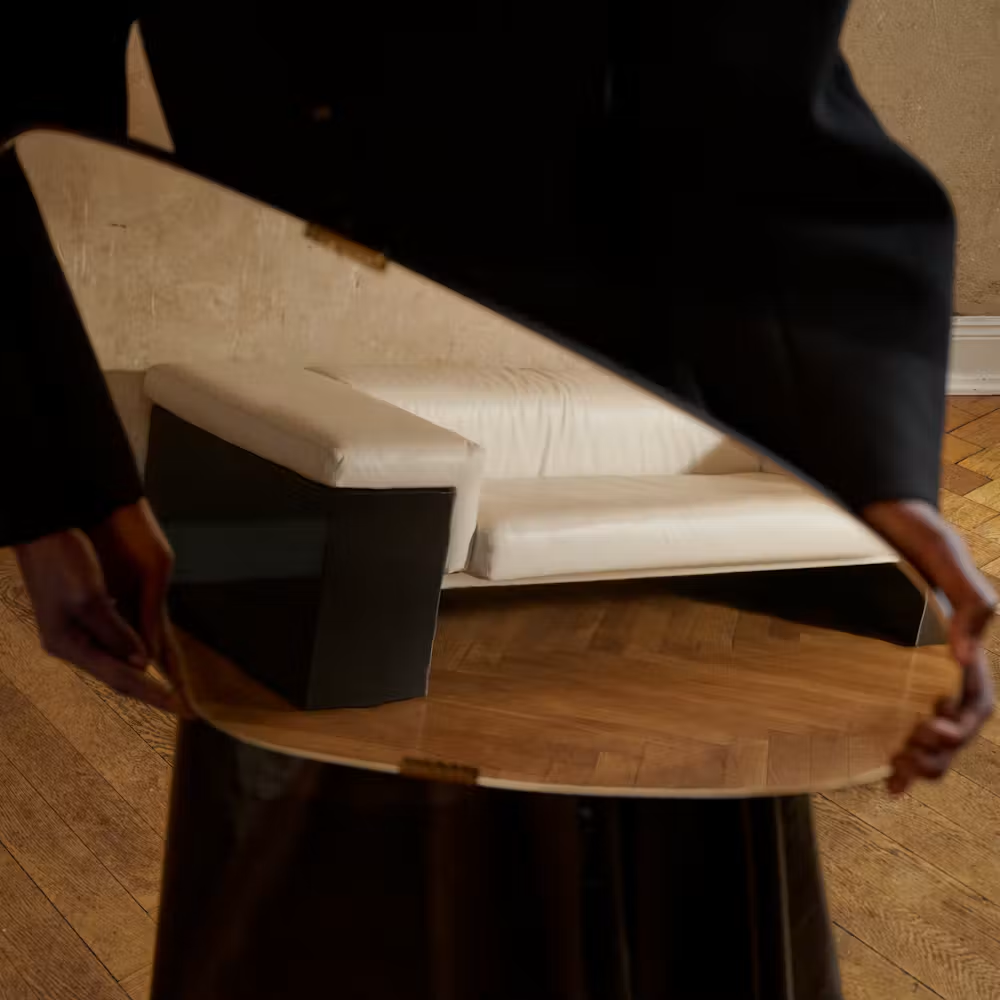
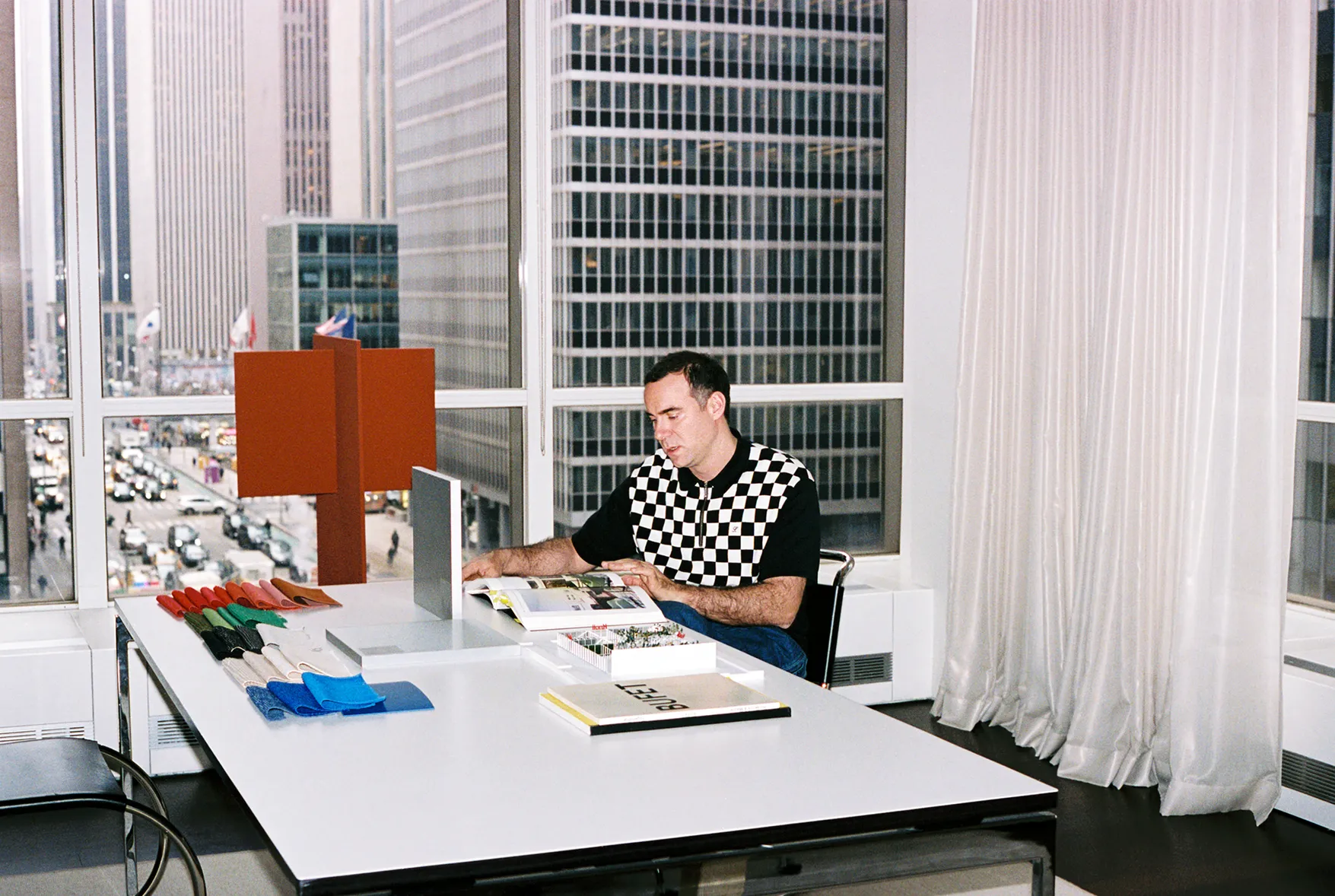
Knoll Creative Director Jonathan Olivares has connected Brigadier to the reductivist art practices of the 1960s and 1970s, situating the collection within a broader period of experimentation with elemental form. Seen through that lens, its return feels particularly timely. The visual vocabulary surrounding Brigadier has become familiar again, yet the original design retains the specificity of Boeri’s thinking and the confidence of the moment in which it was created.
For the 2026 edition, Knoll has preserved the essential relationship between shell and upholstery while refining the collection for contemporary interiors. Proportions have been adjusted, upholstery possibilities expanded and the lacquer palette revisited, including a deep Midnight Blue that gives the architectural exterior an especially rich presence. The collection now includes a lounge chair alongside two-seat and three-seat sofas.
There is something fitting about Brigadier returning at a moment when Boeri’s wider body of work is receiving renewed attention. Her career was marked by a willingness to test materials, rethink familiar furniture types and allow architecture and product design to inform one another. Pieces such as the transparent Ghost chair and the continuous Serpentone seating system reveal how broadly she was willing to experiment, while Brigadier demonstrates a quieter kind of radicalism, one rooted in proportion, structure and the experience of sitting within a clearly defined form.
Its return also offers a useful way of thinking about the design archive itself. Bringing a piece back into production allows an original idea to enter a different visual and cultural context, where new materials, new interiors and new generations of users inevitably change the way it is understood. Brigadier arrives in 2026 with its original character intact, carrying forward the clarity of Boeri’s 1978 design while finding an entirely new set of rooms in which to live.
For Western, there is an added pleasure in knowing that the story passes through Los Angeles. Boeri’s work for Knoll at the Pacific Design Center places her within the city’s own design history, two years before Brigadier entered the collection and nearly fifty years before its return.
From Milan to Los Angeles, from 1978 to today, the idea continues.