

Clo + Technicolour — Allermuir × Kvadrat × Peter Saville
From Factory Records to the factory floor.
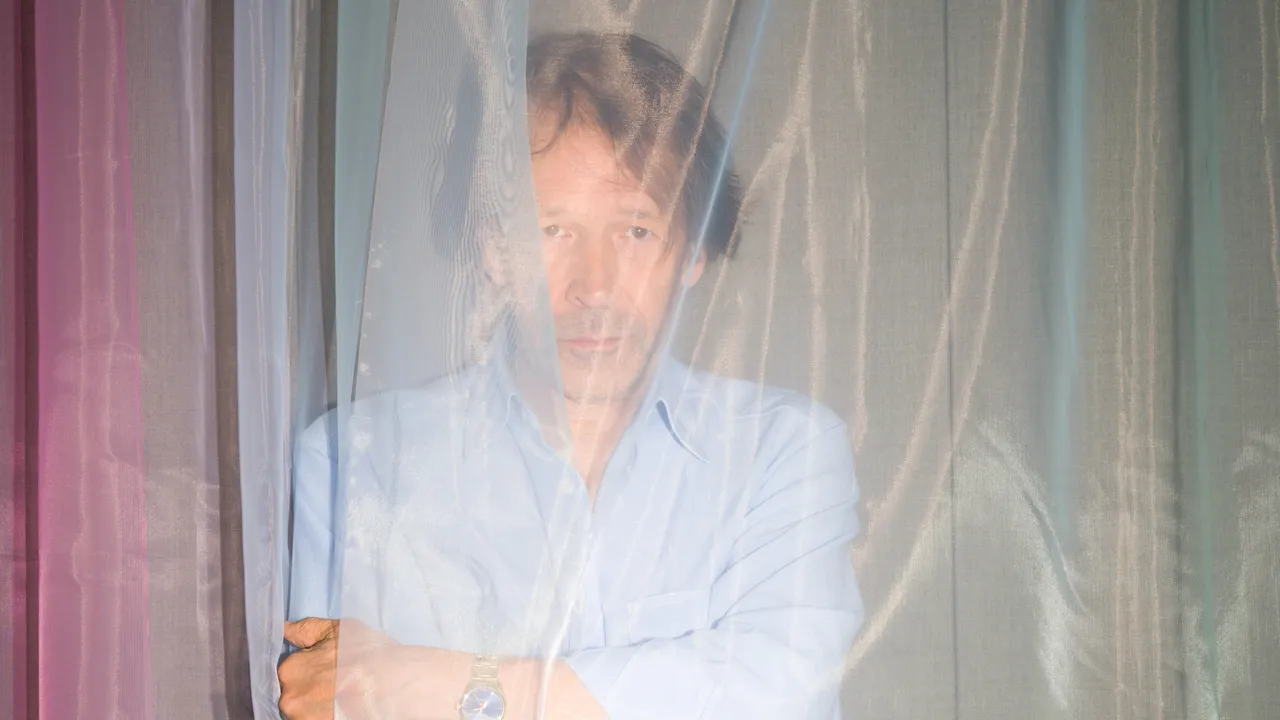
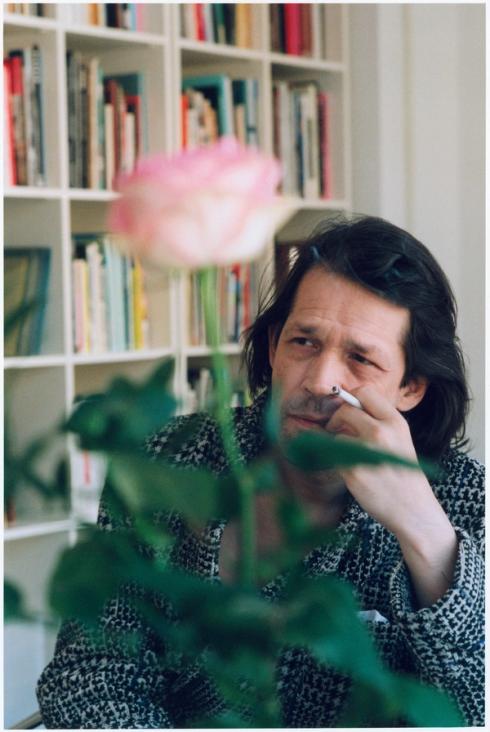
Peter Saville has spent nearly five decades turning visual codes into culture. The graphic designer behind some of Joy Division and New Order’s most enduring record sleeves has worked with everything from Futurism and classical painting to colour-coded alphabets. With Technicolour for Kvadrat, he found his next code grazing in the British countryside.
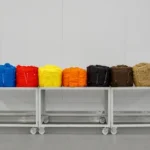
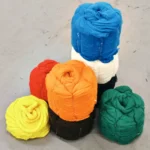
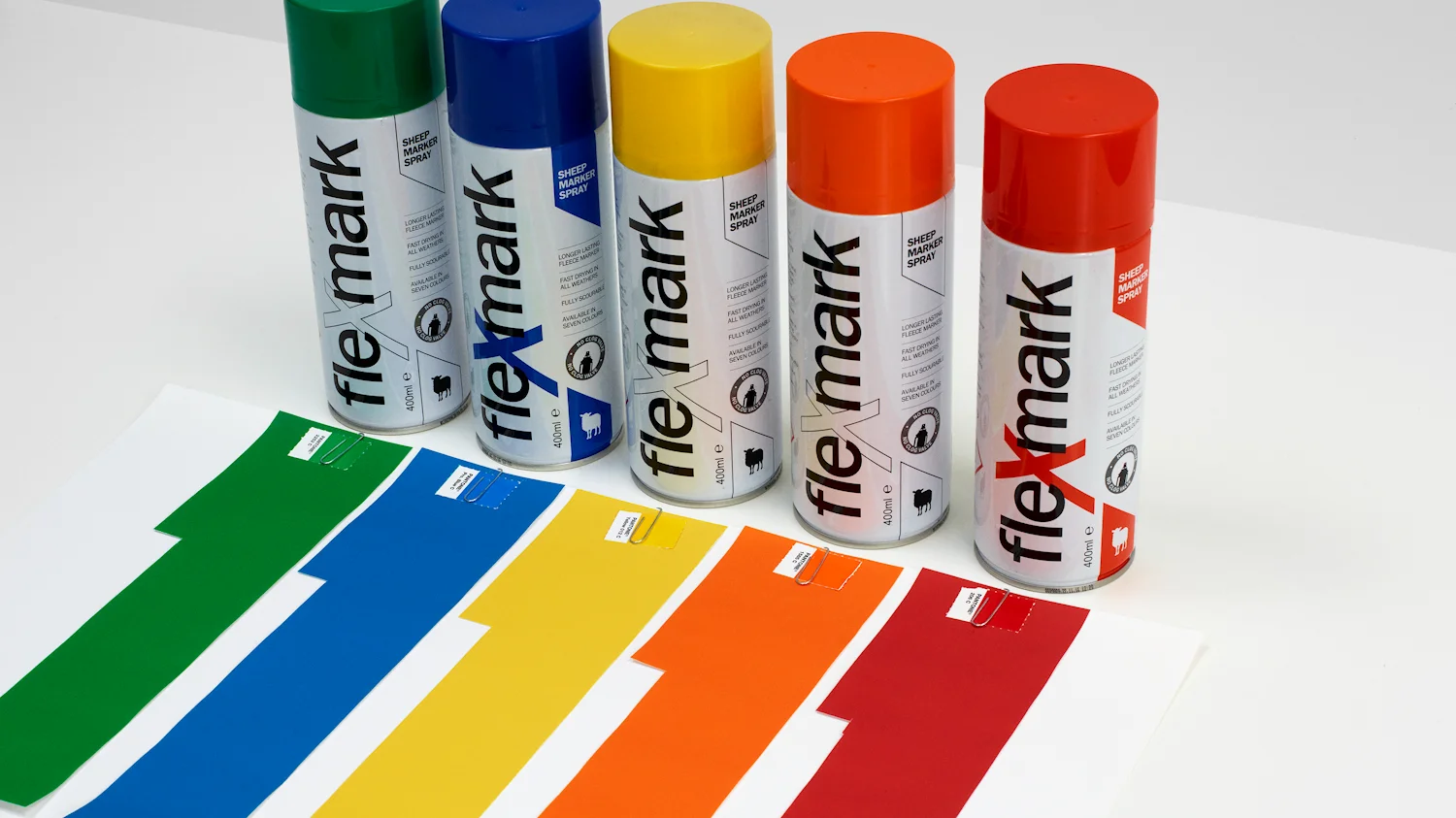
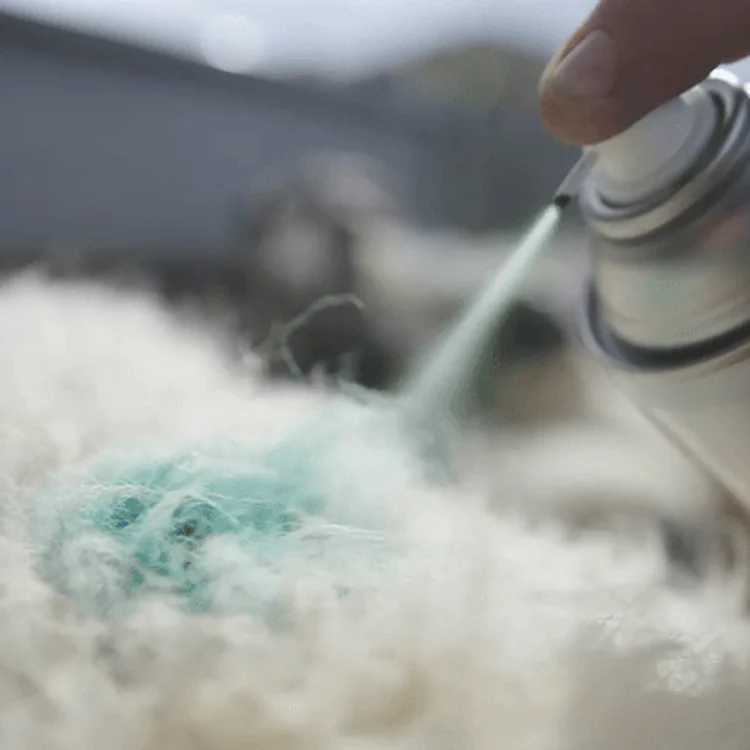
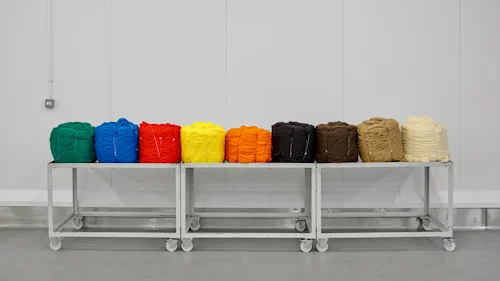
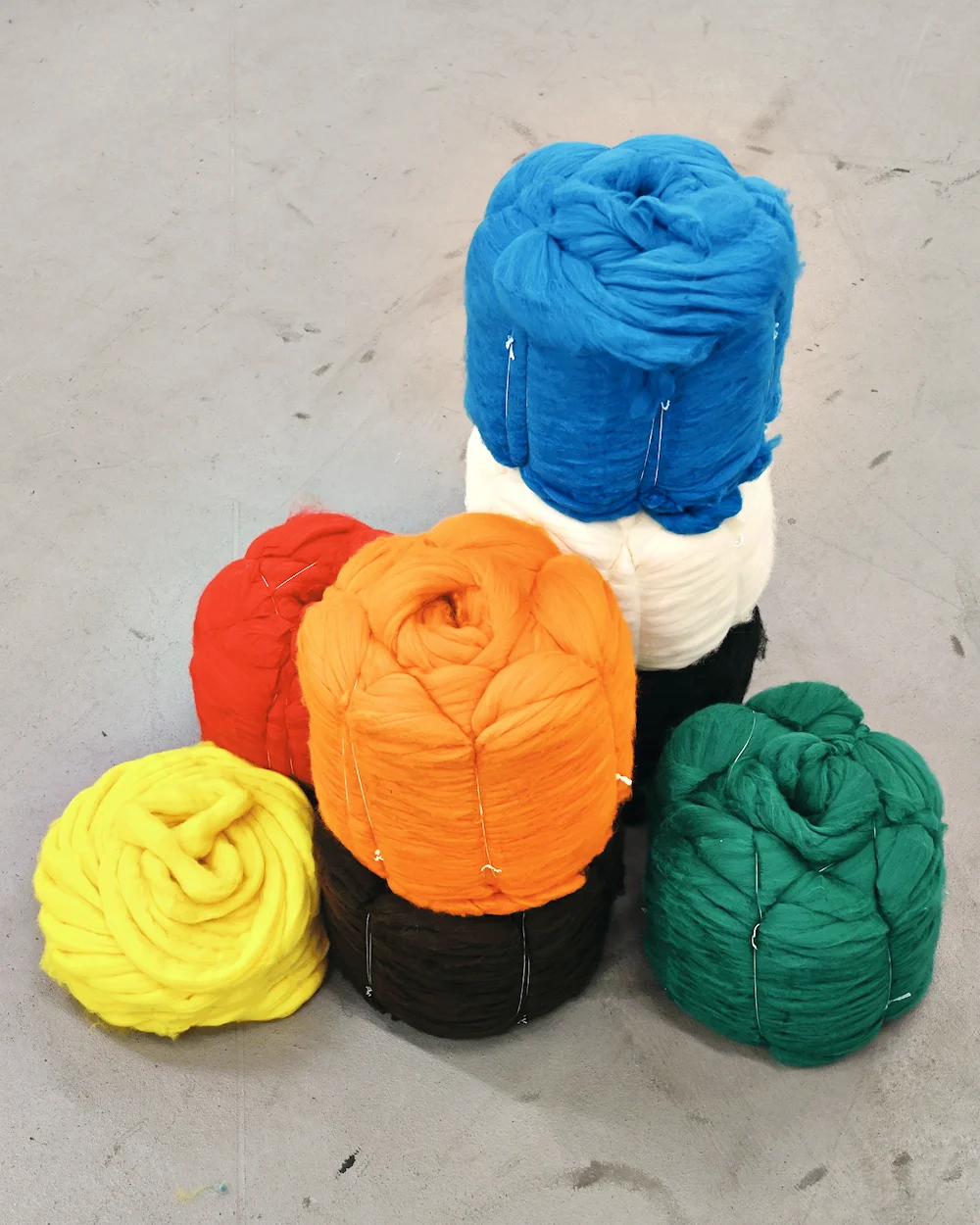
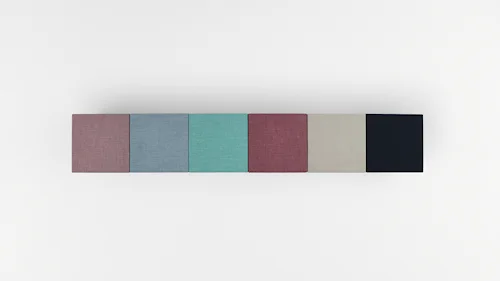
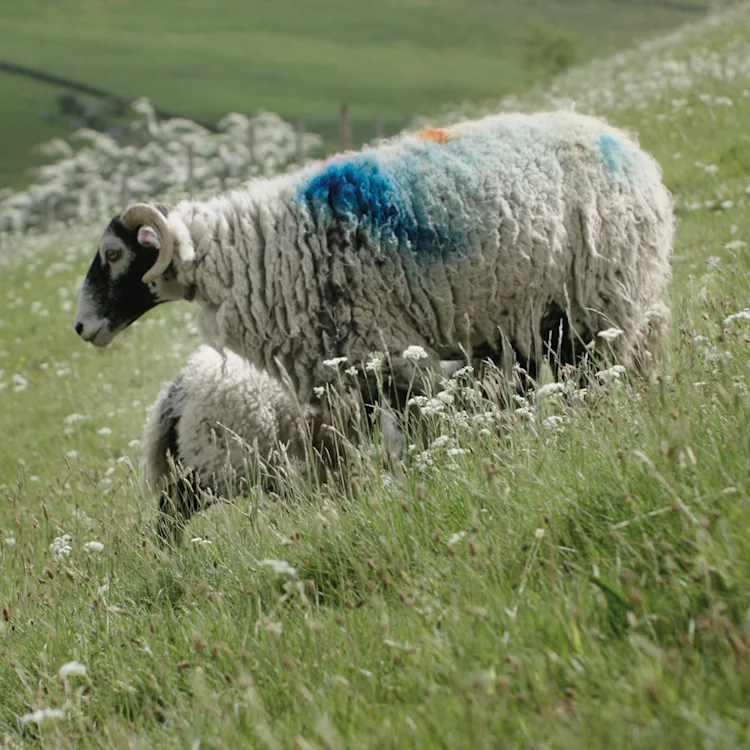
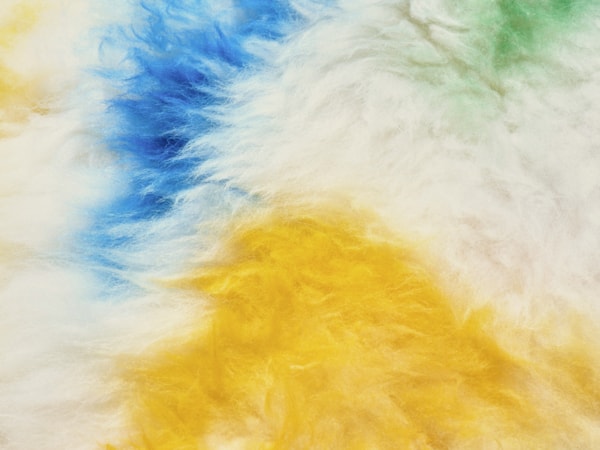
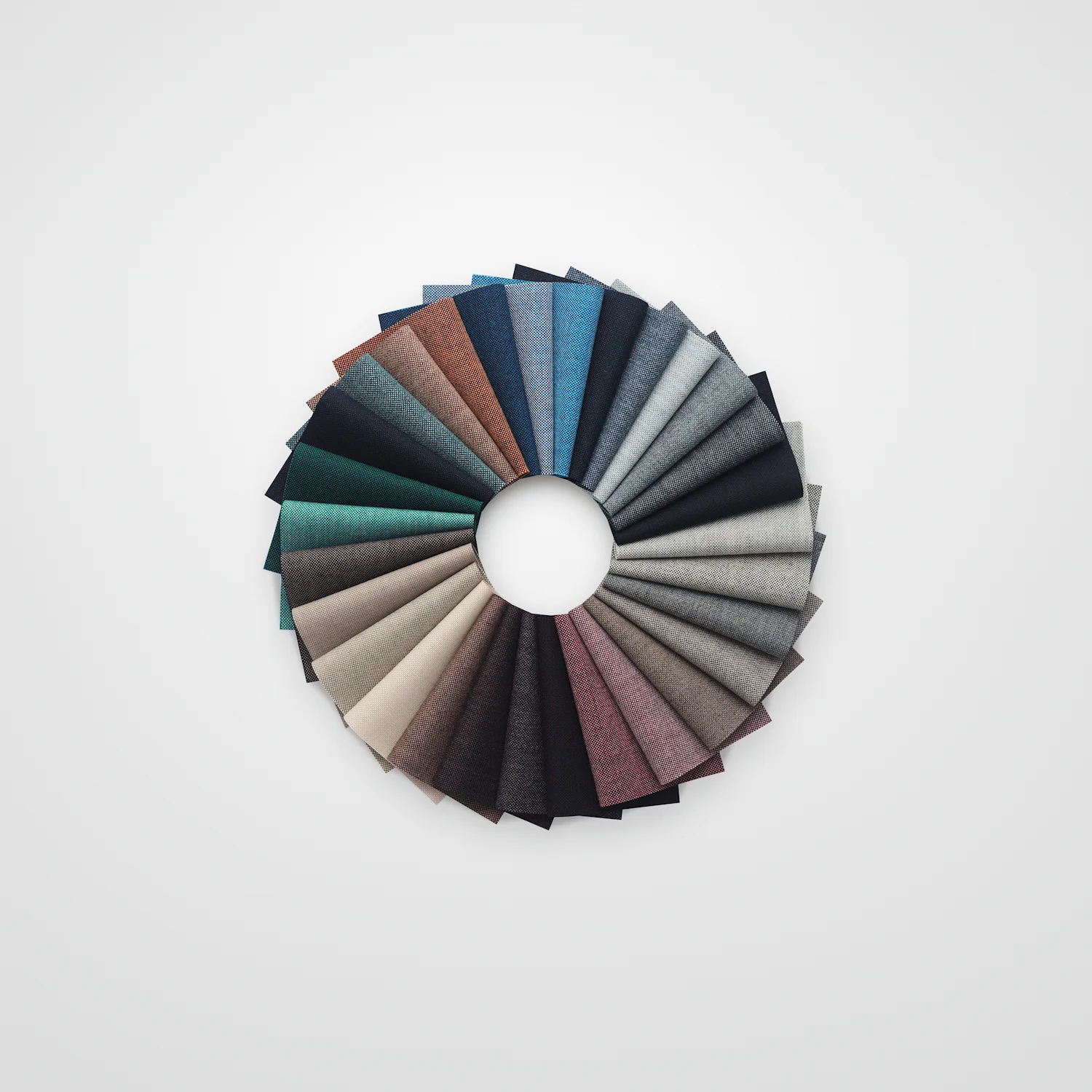
The bright orange, blue, green, yellow and magenta markings sprayed onto sheep for identification became his starting point. Saville calls them “rural graffiti.” Combined with the natural shades of British wool, those flashes of color become a surprisingly subtle collection of 30 mélange upholstery textiles.
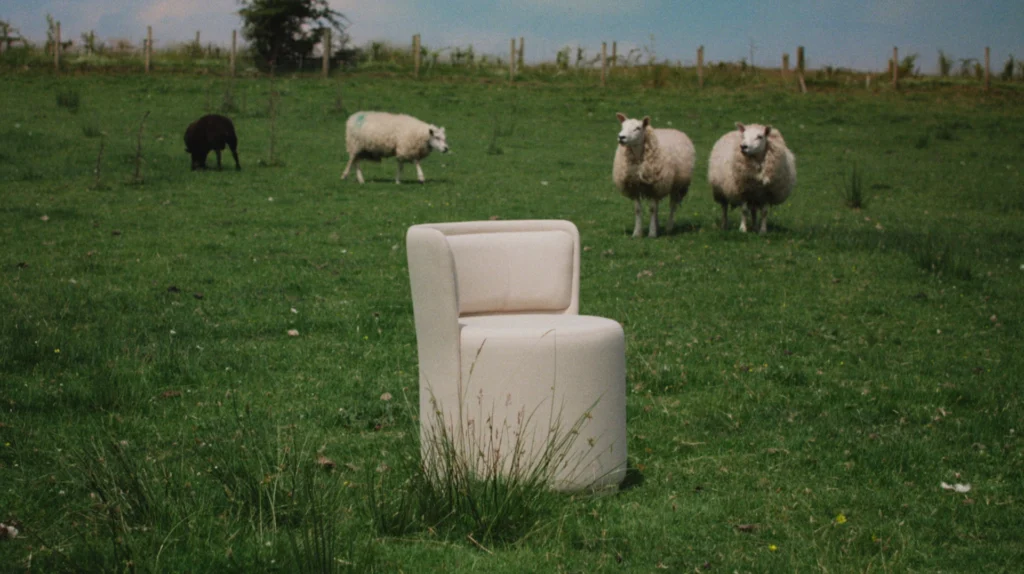
Now, Allermuir has put Technicolour on Clo, its new hospitality-inspired seating collection, bringing Saville’s idea full circle from landscape to textile to furniture.
And that is where it gets interesting.


THE CODE — Rural graffiti.
Saville has always been interested in signs, symbols and the meaning we attach to them.
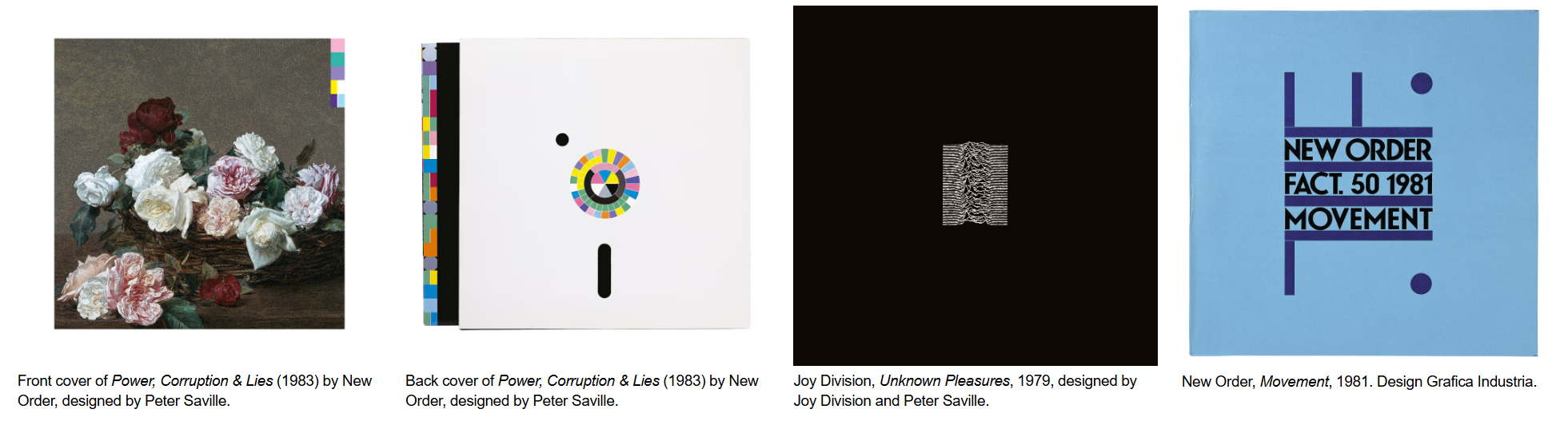
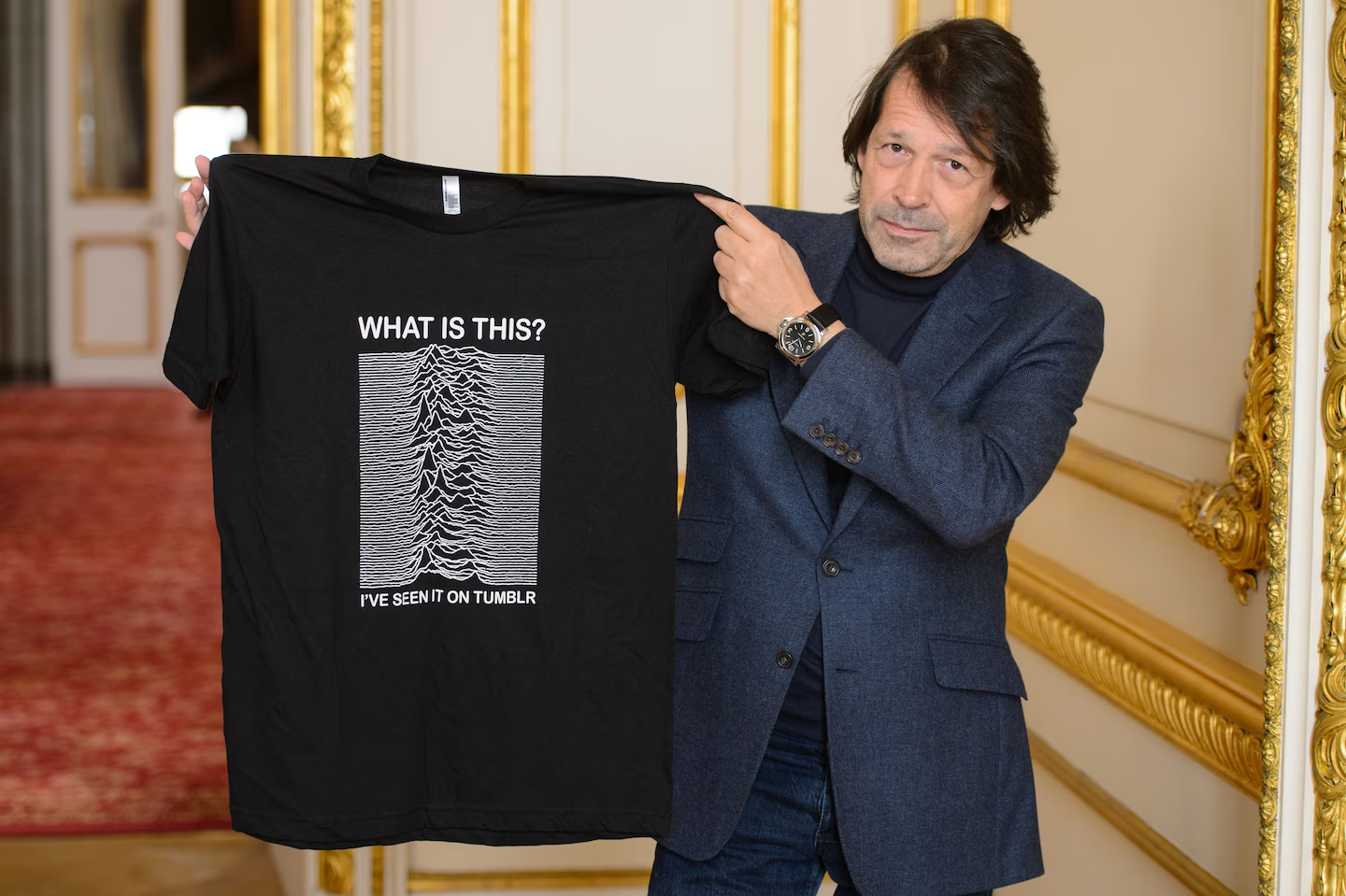
For New Order’s Power, Corruption & Lies, he placed a 19th-century Fantin-Latour painting of roses against a colour-coded system on the reverse. For Joy Division’s Unknown Pleasures, a scientific data visualization became one of music’s most recognizable images. Technicolour follows the same instinct.
A functional marking on the side of a sheep becomes color, color becomes yarn, yarn becomes upholstery.
Saville describes the concept as asking what happens when the “graffiti in the countryside” makes its way into the finished product. He sees Technicolour as remarkably close to his Factory Records work because both begin with an idea and a code, then allow the medium to carry it.
“This collection is more similar to a Factory Records cover than almost anything I’ve done in the 40 years since.”
THE MATERIAL —British wool, in Technicolour.
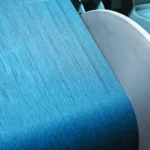
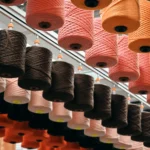
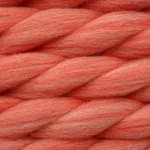
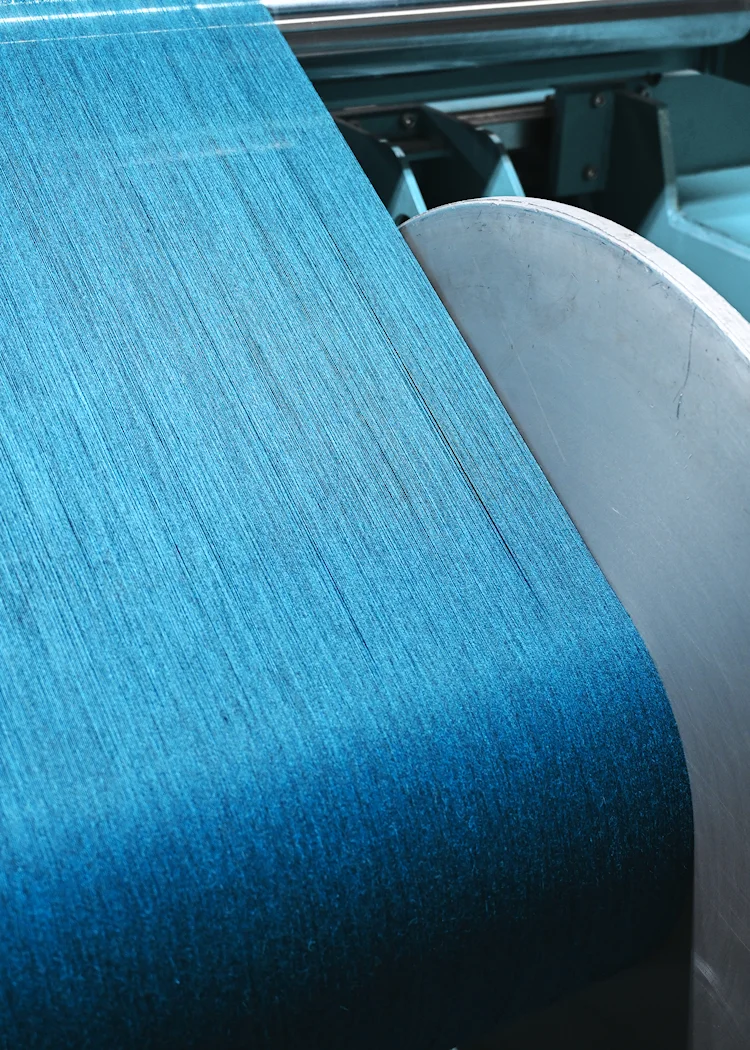
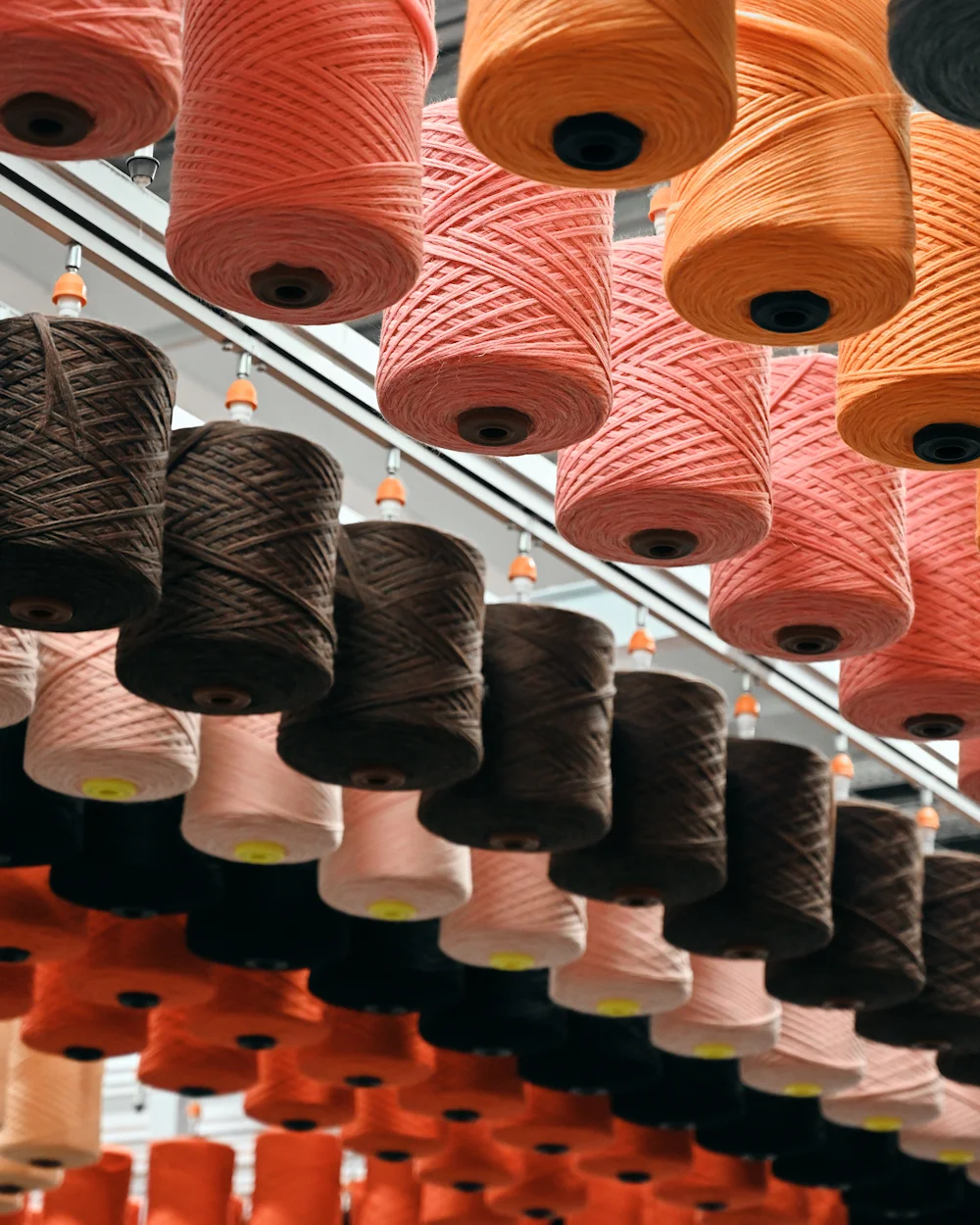
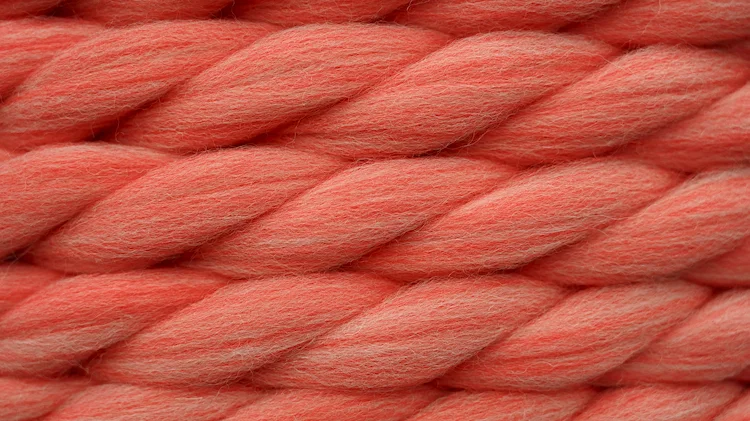
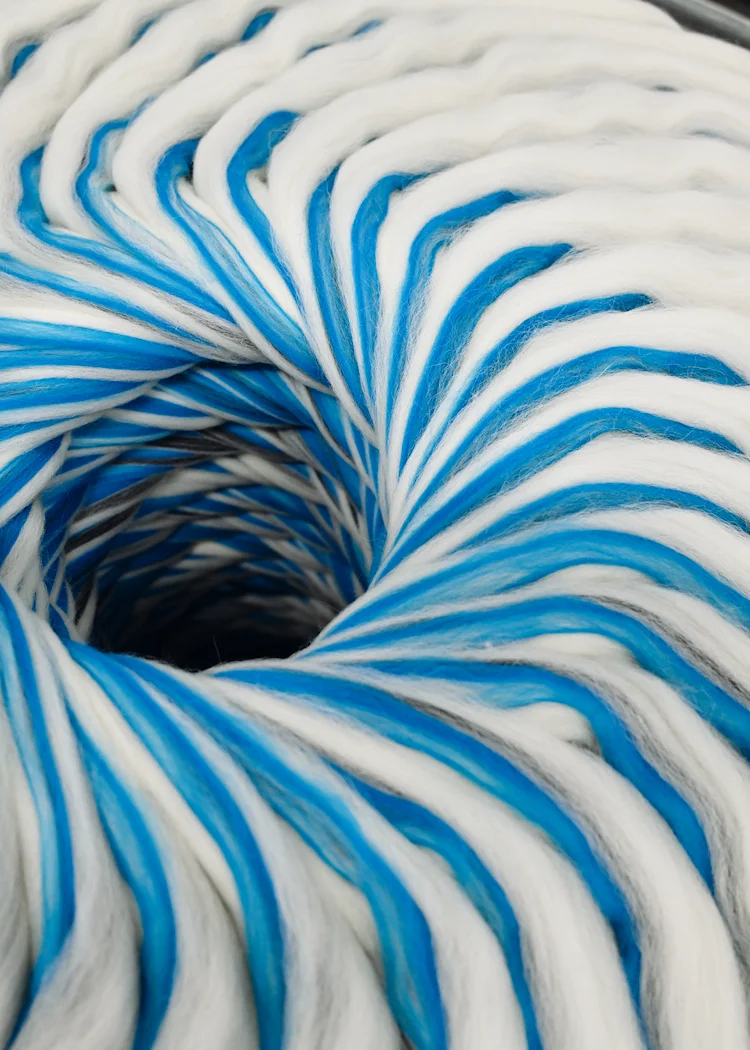
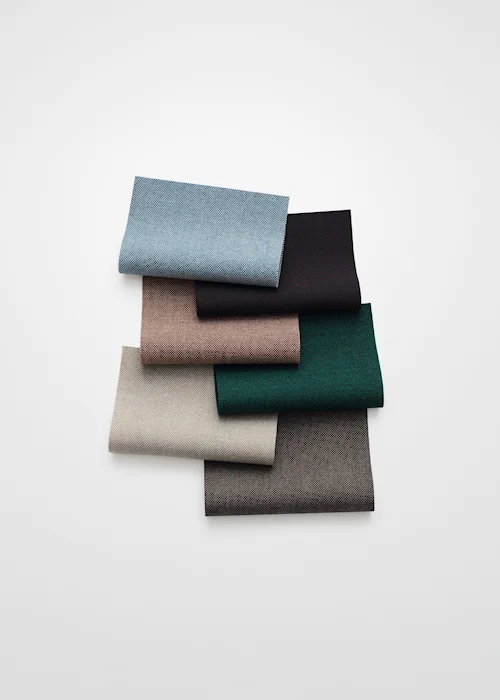
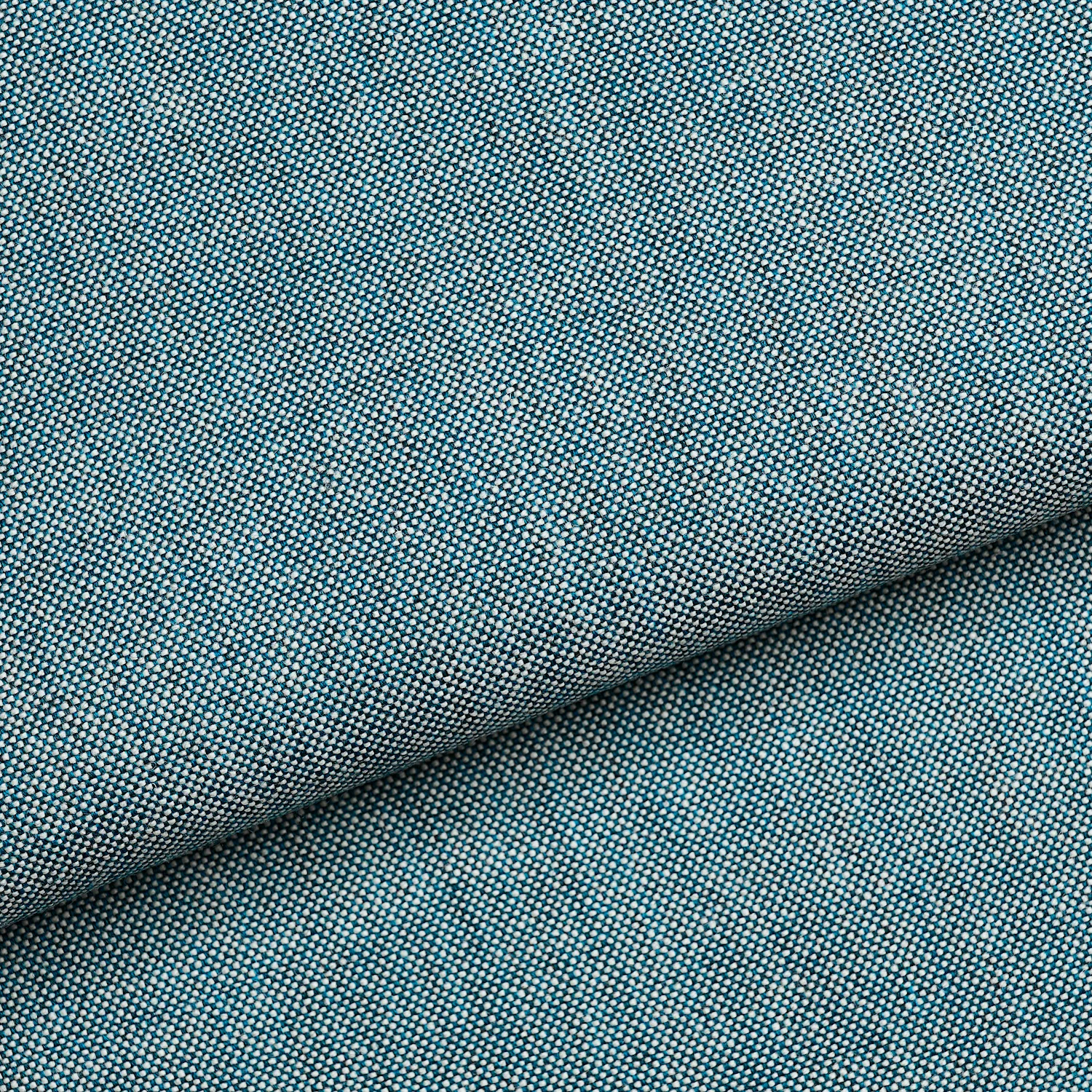
Technicolour begins with five livestock marking colors and five neutrals drawn from wool itself. Through mélange, they become 30 nuanced colourways where vivid fibres sit among natural tones.
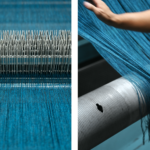
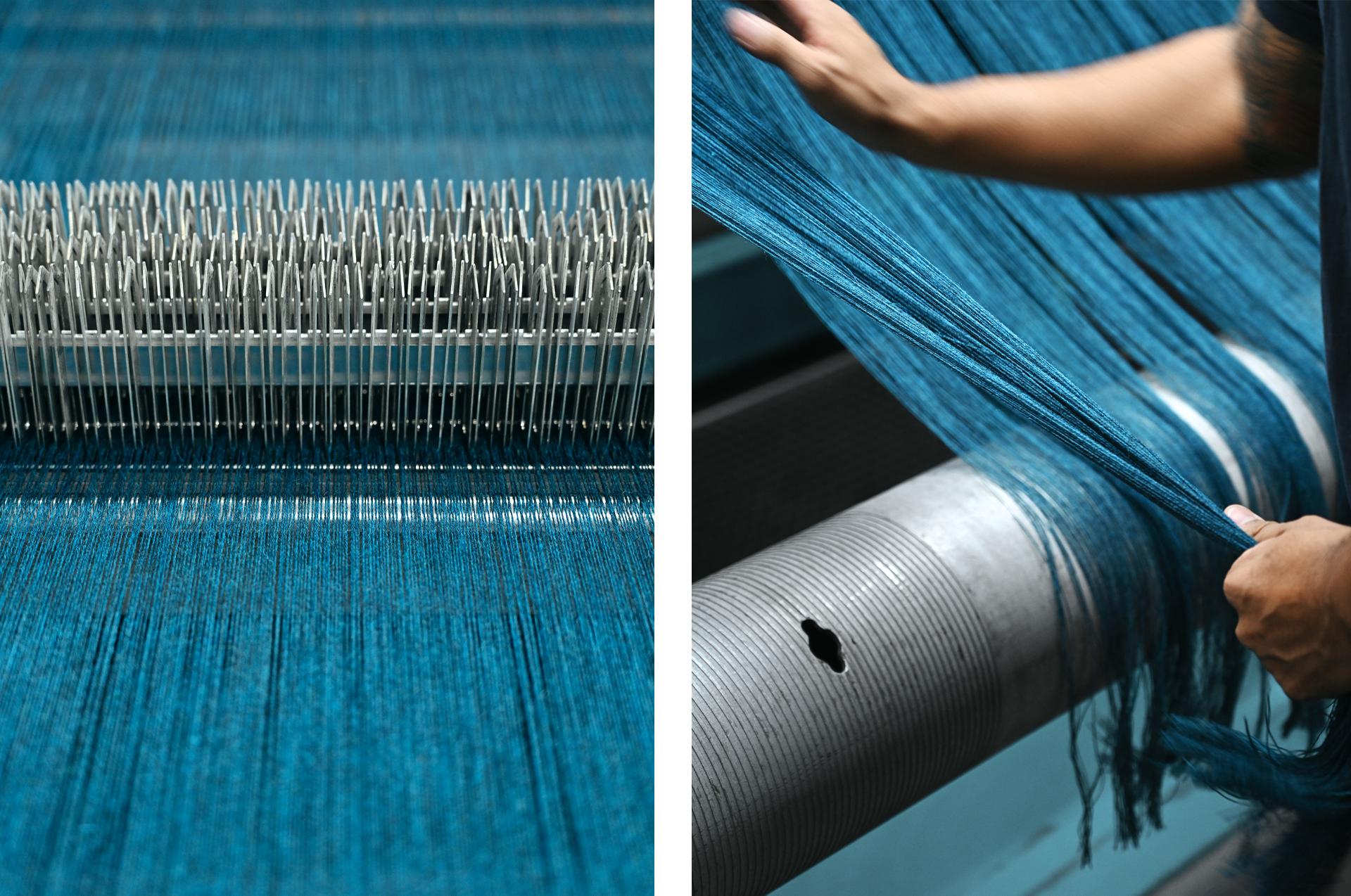
The textile is made from 100% British worsted wool, and the new colour possibilities were enabled by yarn-spinning technology at Wooltex in Huddersfield. The location has its own resonance for Saville, who grew up in nearby Manchester with the textile industry, farms and landscape as part of his surroundings.
What begins as something almost fluorescent in the landscape becomes tactile, textured and unexpectedly restrained indoors.
THE CHAIR — Clo gives the idea somewhere to land.
Allermuir’s Clo is a fitting canvas.
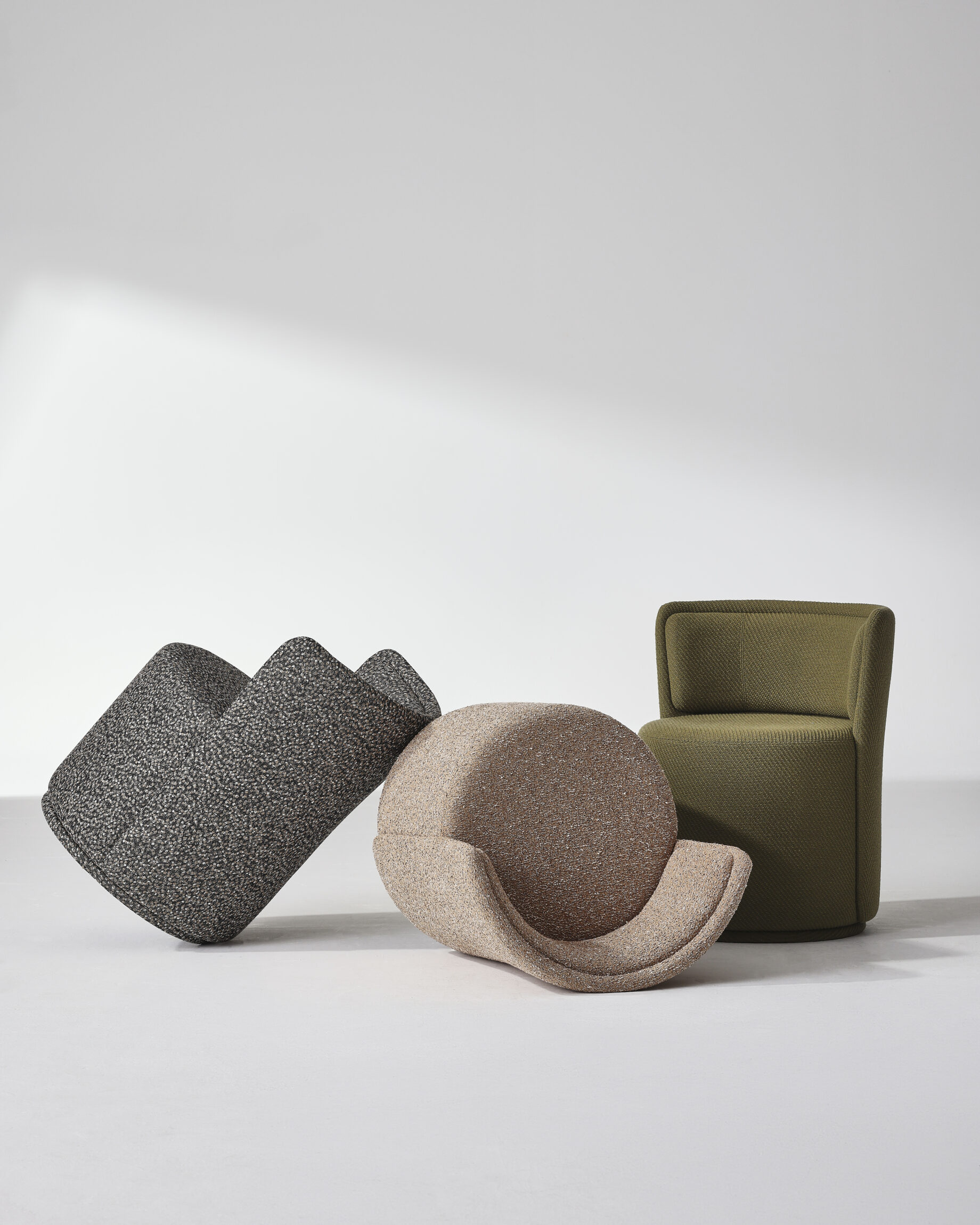
Designed by Allermuir Design Studio, the collection borrows the ease of a hotel lobby or cocktail lounge and brings it into contemporary workspaces. Its compact proportions, soft curves and generous upholstery create a place to settle in, whether around a meeting table, in a reception space or somewhere between the two.
Technicolour gives that simple form another dimension. From a distance, you see colour and silhouette. Up close, the mélange reveals the individual fibres and the story embedded within them.
The upholstery becomes part of the identity of the chair.
THE PAIRING — Graphic design you can sit on.
There is something wonderfully strange about following Peter Saville from Unknown Pleasures and Power, Corruption & Lies to an upholstered chair.
Yet the thinking is remarkably consistent.
Saville describes his record sleeves as exercises in concepts, signs and self-expression. Technicolour works the same way. The surface has changed from printed paper to woven wool, while the instinct remains: take something familiar, shift its context, and suddenly we see it differently.
On Clo, that idea becomes part of an interior. Color becomes texture… graphic culture becomes material culture, and a mark made on a sheep somewhere in the British countryside ends up shaping how a chair feels in a room.
That is a journey worth paying attention to.
WHY WE LIKE IT
Clo + Technicolour reminds us that the most interesting furniture often has another story running through it.
Here, there is British wool and manufacturing, Allermuir’s approach to contemporary seating, and a direct line back to one of the defining figures of British visual culture.
Peter Saville has spent a career making us look twice. Technicolour gives us another reason to.